
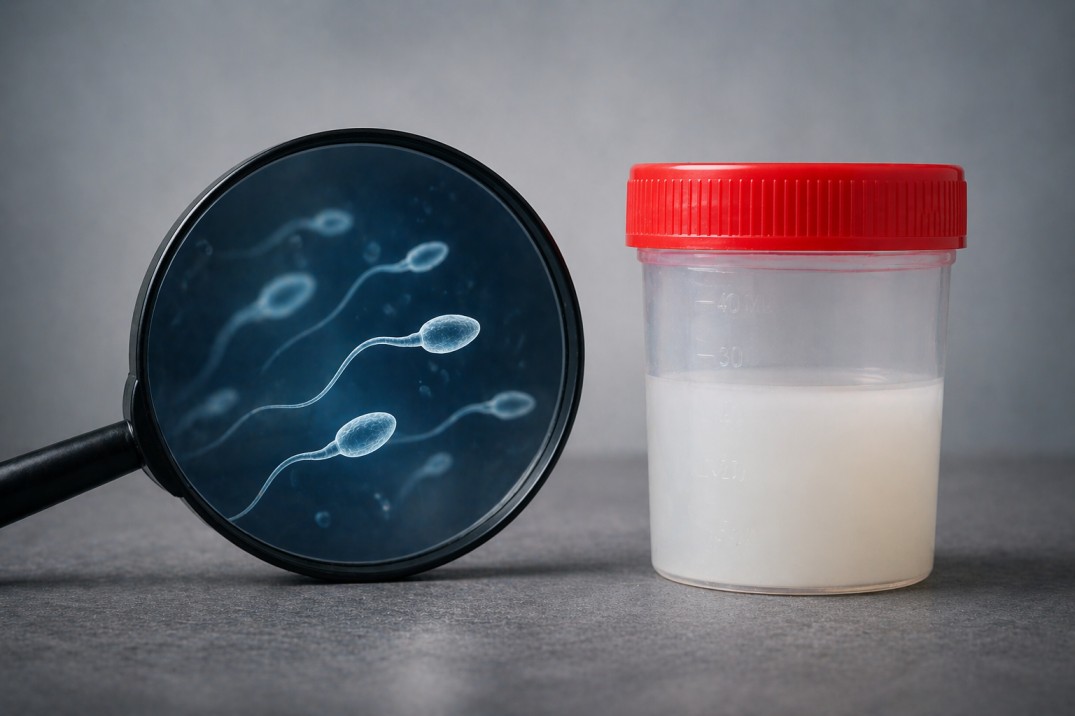
Azoospermia: Causes, Diagnosis & Male Fertility Support Guide
Definition
Azoospermia is a condition in which no sperm are found in the semen. It is one of the causes of male infertility and may happen due to problems with sperm production or blockage in the reproductive tract.
Quick Answer
Azoospermia means zero sperm count in semen and can affect male fertility. It may be caused by hormonal imbalance, blockage, genetic factors, infection, or testicular issues. Proper diagnosis is essential, and treatment depends on the underlying cause.
Expert Summary
Azoospermia can feel overwhelming, but it is important to understand that it is a medical condition with different possible causes. Some cases are linked to hormone or blockage-related issues, while others may require specialist fertility care. Early diagnosis, medical guidance, and supportive lifestyle measures can help men understand their options more clearly.
Understanding the Problem
Many men with azoospermia do not notice any obvious symptoms because ejaculation may appear normal.
The condition is usually discovered during fertility evaluation when semen testing shows no sperm present.
Azoospermia may be linked to:
- reduced sperm production
- blockage in sperm transport
- hormonal imbalance
- previous infection or injury
- genetic or developmental factors
Free Doctor Consultation
Speak with a doctor to understand your symptoms, test reports, and next steps with confidence.
Common Causes
- hormonal imbalance
- blockage in the reproductive tract
- testicular or sperm production issues
- varicocele in some cases
- past infections
- genetic factors
- heat, toxins, or environmental exposure
- previous surgery or injury
Types of Azoospermia
Obstructive Azoospermia
This happens when sperm may be produced normally but cannot reach the semen because of a blockage.
Non-Obstructive Azoospermia
This happens when sperm production in the testes is reduced or absent.
Understanding the type is important because treatment options can differ.
Symptoms and Signs to Watch For
- infertility or difficulty conceiving
- low semen-related fertility findings
- hormonal symptoms in some cases
- history of infection, surgery, or testicular concerns
Many men may not have clear physical symptoms, which is why testing is important.
How Diagnosis Is Usually Done
Diagnosis often includes:
- semen analysis
- hormone testing
- physical examination
- ultrasound when needed
- further fertility evaluation in selected cases
A complete diagnosis helps identify the underlying reason and guides treatment options.
Why Proper Evaluation Matters
Azoospermia is not a condition that should be guessed or self-treated.
The right diagnosis helps determine whether the issue is related to:
- blockage
- hormone imbalance
- sperm production
- broader reproductive health concerns
This makes professional guidance essential.
Important Note
Important: Azoospermia requires proper medical diagnosis. If you are trying to conceive and your semen report shows zero sperm count, consult a qualified doctor or fertility specialist for further evaluation.
Talk to a Doctor
Get personalized guidance based on your reports, symptoms, and fertility goals.
Unani Perspective on Male Reproductive Wellness
In Unani medicine, male reproductive health is linked with overall body balance, vitality, nourishment, and nerve strength.
The Unani approach may focus on supporting:
- general vitality
- digestion and metabolism
- balanced lifestyle habits
- reproductive wellness through natural support
Unani support should be seen as complementary wellness guidance and not as a substitute for proper fertility diagnosis.
Lifestyle Support for Male Fertility
- maintain a balanced diet
- get regular sleep
- avoid smoking and excess alcohol
- reduce stress levels
- stay physically active
- avoid excessive heat exposure
- follow medical advice consistently
These habits support overall reproductive wellness.
Unani vs Modern View
Modern fertility care focuses on identifying the exact medical cause and selecting appropriate treatment.
Unani approach focuses on:
- supporting general vitality
- improving overall balance
- long-term wellness habits
For fertility-related conditions like azoospermia, medical evaluation remains essential, and supportive wellness practices may be used alongside professional care.
Comparison Table
| Factor | Unani Approach | Modern Approach |
|---|---|---|
| Focus | Overall vitality and balance | Diagnosis and fertility treatment |
| Role | Supportive wellness care | Primary medical evaluation |
| Approach | Holistic | Specialist and test-based |
| Long-term Support | Lifestyle and natural support | Cause-specific treatment |
Recommended Support Options
Pakiza Unani may offer supportive men’s wellness products that focus on general vitality and strength:
- Golden Knight Stamina Prash – Supports overall stamina and men’s wellness
- Golden Drive Capsules – Supports energy and vitality
- Golden Drive Shilajeet – Traditional support for strength and endurance
👉 These products are not a substitute for fertility diagnosis. Always consult a doctor before use.
When to Seek Professional Advice
Consult a doctor if:
- semen analysis shows zero sperm count
- you and your partner are trying to conceive without success
- you have a history of hormonal, testicular, or reproductive issues
- you need help understanding fertility treatment options
Early evaluation can provide more clarity and better direction.
Frequently Asked Questions
What is azoospermia?
Azoospermia is a condition in which no sperm are found in the semen.
Can azoospermia cause infertility?
Yes, azoospermia is one of the important causes of male infertility.
Does azoospermia always mean there is no hope?
No. The cause matters, and some cases have treatment or fertility support options after proper diagnosis.
Can lifestyle changes help?
Lifestyle changes support overall reproductive health, but medical diagnosis is still necessary.
Understand Your Fertility Health With Confidence
Get expert guidance to understand your reports, health condition, and next steps clearly.
Disclaimer
This article is for educational purposes only. It is not a substitute for medical diagnosis or fertility treatment. Always consult a qualified healthcare professional for proper evaluation and care.