
Low Libido: Causes, Signs & Natural Support Guide
Written by: Pakiza Unani Editorial Team
Reviewed by: Pakiza Unani’s In-house Unani Doctor
Last Updated: August 11, 2026
Definition
Low libido means reduced interest in intimacy or a decrease in sexual desire over time. In men, it may be temporary due to stress, tiredness, poor sleep, or emotional pressure. However, if it continues for weeks or months, it may be connected with hormonal imbalance, diabetes, lifestyle habits, relationship stress, or other health conditions.
Quick Answer
Low libido in men may happen due to stress, poor sleep, fatigue, diabetes, low testosterone, anxiety, depression, relationship issues, obesity, alcohol, smoking, or certain medicines. A root-cause approach with lifestyle correction, medical evaluation, and guided Unani wellness support may help improve energy, confidence, and overall men’s health.
Expert Summary
Low libido is common, but many men avoid discussing it because of embarrassment. It is important to understand that low desire is not always only a sexual problem. It can be a sign that the body, mind, hormones, sleep, digestion, stress level, or relationship health needs attention.
In Unani medicine, desire and vitality are connected with overall strength, Mizaj balance, digestion, nerve health, mental calmness, sleep, and reproductive wellness. The goal is not only short-term improvement, but long-term balance, confidence, and better quality of life.
Key Takeaways
- Low libido means reduced sexual desire or interest in intimacy.
- It may be caused by physical, emotional, hormonal, lifestyle, or relationship factors.
- Diabetes, stress, poor sleep, obesity, low testosterone, and certain medicines may contribute.
- Occasional low desire can be normal, but persistent low libido needs evaluation.
- Self-medication should be avoided.
- Unani support may help vitality and balance when used under proper guidance.
- Lifestyle, diet, sleep, stress control, and communication all matter.
Understanding Low Libido
Sexual desire is influenced by both body and mind. It depends on:
- energy levels
- hormonal balance
- emotional state
- sleep quality
- stress level
- confidence
- blood circulation
- nerve health
- relationship comfort
- overall lifestyle
Low libido may develop gradually. A man may feel less interested in intimacy, less emotionally connected, or less confident. Sometimes, low libido may also happen together with erectile dysfunction, fatigue, low mood, or reduced stamina.
Understanding the real cause is the first step toward safe and effective support.
Free Doctor Consultation
Get confidential guidance to understand the possible cause of low libido and the right next steps.
Common Causes of Low Libido in Men
1. Stress and Mental Pressure
Stress is one of the most common causes of reduced desire. Work pressure, financial worries, family responsibility, business stress, or overthinking can affect mood, sleep, hormones, and confidence.
Long-term stress may lead to:
- low energy
- irritability
- poor sleep
- reduced desire
- performance anxiety
- emotional distance
Managing stress is important for both sexual wellness and overall health.
2. Poor Sleep and Fatigue
Sleep is closely connected with energy, mood, recovery, and hormonal balance. Men who sleep late, wake tired, or feel exhausted throughout the day may notice reduced desire.
Poor sleep may also affect:
- stamina
- confidence
- mental focus
- digestion
- testosterone balance
- overall vitality
A consistent sleep routine is an important part of men’s wellness.
3. Low Testosterone
Testosterone is an important hormone for male desire, energy, muscle strength, mood, and sexual wellness. Low testosterone may contribute to low libido, fatigue, reduced morning erections, low motivation, and mood changes.
Hormonal imbalance should not be guessed. Testing and doctor guidance are important.
4. Diabetes and Metabolic Issues
Diabetes can affect blood vessels, nerves, energy levels, and sexual function. Men with diabetes may experience low libido, erectile dysfunction, fatigue, and reduced stamina.
Proper blood sugar control, diet, exercise, and medical guidance are essential for long-term improvement.
5. Anxiety, Depression, or Low Mood
Mental health has a strong connection with sexual desire. Anxiety, depression, emotional exhaustion, loneliness, or low confidence may reduce interest in intimacy.
Some medicines used for anxiety or depression may also affect libido. Do not stop any medicine without consulting your doctor.
6. Relationship Stress
Low libido may also be linked with relationship factors such as:
- unresolved conflict
- lack of emotional connection
- poor communication
- feeling pressured
- lack of trust
- repeated criticism
- fear of rejection
Healthy intimacy needs emotional comfort, respect, and honest communication.
7. Obesity and Sedentary Lifestyle
Excess weight and lack of physical activity may affect energy, blood circulation, hormones, confidence, and metabolic health.
Regular movement, weight management, and balanced meals can support better vitality over time.
8. Smoking, Alcohol, and Substance Use
Smoking can affect circulation, while excess alcohol may reduce performance, disturb sleep, and affect hormonal balance.
Reducing these habits may support better sexual wellness and overall health.
9. Medication Side Effects
Certain medicines may reduce desire or affect sexual function. These may include some medicines for blood pressure, depression, anxiety, sleep problems, prostate issues, or chronic diseases.
Speak with your doctor if low libido started after beginning a new medicine.
Signs and Symptoms to Watch For
Low libido may show up as:
- reduced interest in intimacy
- fewer sexual thoughts
- reduced response to closeness
- low energy or fatigue
- reduced morning erections
- emotional distance from partner
- low confidence
- stress around intimacy
- reduced motivation
- erectile difficulty in some cases
If symptoms continue for several weeks or months, consultation is recommended.
Why Early Attention Matters
Low libido should not be ignored if it is ongoing. It may be connected with diabetes, hormonal imbalance, stress, poor sleep, depression, relationship strain, or other health concerns.
Early attention helps in:
- identifying the root cause
- improving confidence
- preventing self-medication
- supporting relationship comfort
- improving overall wellness
- choosing safer treatment options
Low libido is manageable in many cases when the cause is understood properly.
Important Note
Important: Low libido should not be self-treated with tablets, oils, supplements, or herbal products without proper guidance. Men with diabetes, heart disease, high blood pressure, kidney problems, hormonal concerns, or those taking regular medicines should consult a qualified doctor before starting any treatment.
Talk to a Unani Doctor
Get personalized guidance based on your symptoms, lifestyle, sleep, stress, digestion, Mizaj, diabetes status, and overall health condition.
How Unani Medicine Approaches Low Libido
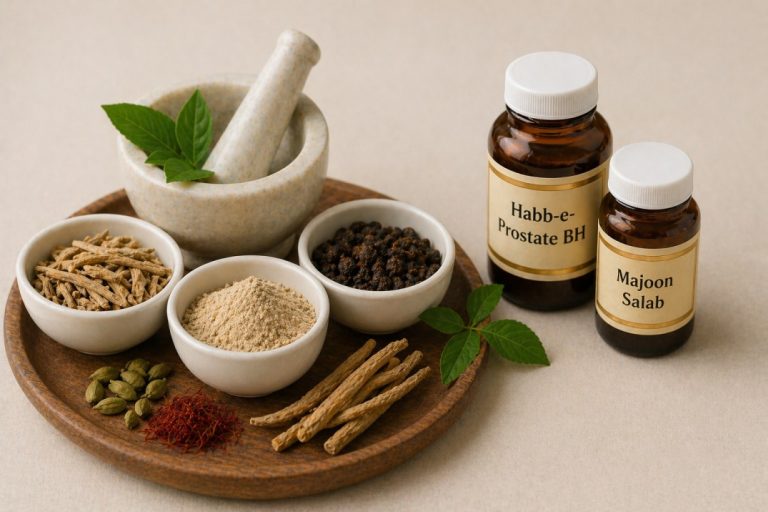
In Unani medicine, low libido is viewed through the lens of whole-body balance. Desire and vitality are connected with digestion, nourishment, sleep, nerve strength, mental calmness, circulation, and Mizaj.
The Unani approach may focus on:
- supporting overall vitality
- improving digestion and metabolism
- strengthening nerve health
- reducing stress-related imbalance
- supporting healthy sleep
- improving energy and stamina
- restoring Mizaj balance
- supporting reproductive wellness
Unani care is personalized and should be followed under qualified guidance.
Root-Cause Wellness Matters
Low libido may not have one single cause. A man may have stress, poor sleep, diabetes, low confidence, and lifestyle imbalance at the same time.
A root-cause approach looks at:
- sleep quality
- stress level
- blood sugar
- blood pressure
- testosterone-related symptoms
- digestion
- body weight
- medicine history
- emotional health
- relationship comfort
- energy and stamina
This helps create a safer and more practical wellness plan.
Lifestyle Support for Low Libido
Daily habits can strongly affect desire, energy, and confidence.
Helpful lifestyle habits include:
- sleep 7 to 8 hours where possible
- walk or exercise regularly
- manage stress through relaxation
- avoid smoking
- limit alcohol
- maintain healthy body weight
- reduce late-night screen time
- stay hydrated
- improve communication with partner
- manage diabetes and blood pressure
- avoid self-medication
Small consistent changes may gradually support better vitality.
Diet Support for Men’s Wellness
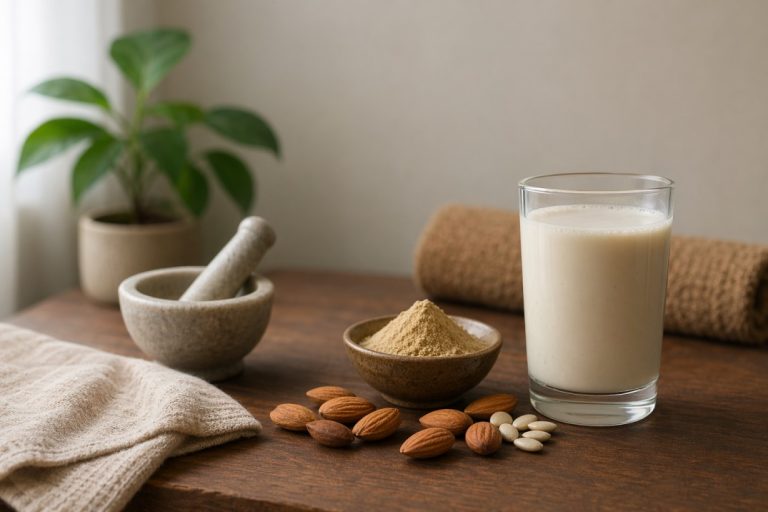
A balanced diet supports energy, digestion, hormones, circulation, and reproductive wellness.
Helpful food choices may include:
- protein-rich meals
- fresh vegetables
- seasonal fruits in moderation
- whole grains
- nuts and seeds in moderation
- dates and figs in moderation
- enough water
- light dinner
- warm, nourishing foods as suitable
Try to reduce:
- excess sugar
- refined flour
- fried foods
- processed snacks
- sugary drinks
- overeating at night
- smoking and alcohol
Men with diabetes, obesity, kidney disease, high cholesterol, or digestive issues should follow personalized diet advice.
Relationship and Communication Support
Low libido can create misunderstanding between partners. Open communication can reduce pressure and improve emotional comfort.
Helpful communication tips:
- talk calmly and privately
- avoid blame or criticism
- explain your stress or health concerns
- listen to your partner’s feelings
- avoid pressure for intimacy
- focus on emotional closeness
- seek medical guidance when needed
Healthy intimacy improves when both partners feel respected and understood.
Unani vs Modern View
Modern medicine focuses on identifying medical, hormonal, psychological, and medication-related causes of low libido.
Unani medicine focuses on vitality, Mizaj balance, digestion, sleep, emotional calmness, nerve strength, and long-term wellness.
Both approaches can be useful when followed responsibly. For ongoing symptoms, proper diagnosis should come first.
Comparison Table
| Factor | Unani Approach | Modern Approach |
|---|---|---|
| Main Focus | Vitality, Mizaj, balance, and lifestyle | Diagnosis and cause-specific treatment |
| Approach | Holistic and personalized | Medical and targeted |
| Speed | Gradual | May be faster depending on cause |
| Long-Term Support | Strong when routine is followed | Depends on diagnosis and treatment |
| Lifestyle Role | Essential | Supportive but important |
| Guidance Needed | Qualified Unani doctor | Qualified doctor or specialist |
Recommended Support Options
Pakiza Unani may offer supportive formulations for men’s vitality and general wellness.
Possible support options may include:
- Golden Knight Stamina Prash – Supports stamina, strength, and general men’s wellness
- Golden Drive Capsules – Supports energy and vitality
- Golden Drive Shilajeet – Traditional support for strength and endurance
- Golden Drive Tila – External support option where suitable
These are supportive wellness options and are not a substitute for medical diagnosis, fertility treatment, counseling, or emergency care.
Always use under proper medical guidance.
When to Seek Professional Advice
Consult a doctor if:
- low libido continues for several weeks or months
- you also have fatigue, low mood, or poor sleep
- you have diabetes, blood pressure, or heart disease
- you notice reduced morning erections
- you have erectile dysfunction
- the issue is affecting your confidence or relationship
- low desire started after taking a new medicine
- you suspect hormonal imbalance
- you are planning to use sexual wellness products
Early consultation helps avoid wrong treatment and unnecessary stress.
Why Consultation Is Important
A confidential consultation can help identify whether low libido is caused by stress, sleep, diabetes, hormones, medicine side effects, relationship concerns, or lifestyle imbalance.
A doctor may assess:
- blood sugar status
- blood pressure
- lifestyle habits
- stress and sleep
- hormone-related symptoms
- medicine history
- digestion and energy levels
- need for further testing
- suitability of Unani support
The right plan depends on the individual’s condition.
Related Articles
- Erectile Dysfunction: Causes, Symptoms & Natural Support Guide
- Diabetes and Men’s Sexual Health: Causes, Effects & Natural Support
- Unani Treatment for Diabetic Erectile Dysfunction
- Best Unani Herbs for Men’s Vitality After 50
- Side Effects of ED Medicines in Diabetics
- What Is Mizaj in Unani Medicine?
Frequently Asked Questions
What is low libido?
Low libido means reduced interest in intimacy or sexual desire over time.
Is low libido common in men?
Yes, low libido can happen in men due to stress, fatigue, poor sleep, hormonal changes, diabetes, relationship issues, or lifestyle habits.
Can stress cause low libido?
Yes. Stress can affect mood, sleep, hormones, energy, confidence, and desire.
Can diabetes affect libido?
Yes. Diabetes may affect nerves, blood circulation, energy, and sexual function, which can contribute to low libido.
Can low testosterone cause low libido?
Yes. Low testosterone may reduce desire, energy, motivation, and sexual confidence. Testing and doctor guidance are important.
Can low libido improve naturally?
In some cases, better sleep, stress control, exercise, weight management, diet improvement, and proper treatment may help. The right approach depends on the cause.
Can Unani medicine help with low libido?
Unani medicine may support vitality, digestion, sleep, nerve strength, Mizaj balance, and reproductive wellness under proper guidance. It should not replace medical evaluation.
Should I take libido boosters without consultation?
No. Self-medication can be risky, especially if you have diabetes, heart disease, blood pressure problems, kidney disease, or take regular medicines.
References & Review Sources
- Mayo Clinic: Loss of Sex Drive in Men
- Mayo Clinic Health System: Low Libido Causes and Treatment
- NHS: Low Sex Drive / Loss of Libido
- CDC: Diabetes and Men
- NIDDK: Diabetes, Sexual and Bladder Problems
- American Heart Association: Sexual Activity and Heart Disease
Medical Review
This article should be reviewed by Pakiza Unani’s in-house Unani doctor before publishing to ensure medical accuracy, safe wording, and suitable product recommendations.
Disclaimer
This article is for educational purposes only. It is not a substitute for medical diagnosis, treatment, fertility care, counseling, emergency care, or specialist advice. Always consult a qualified healthcare professional before starting any medicine, supplement, Unani formulation, or sexual wellness treatment.