Indigestion After Meals: Causes and Digestive Support
Written by: Pakiza Unani Editorial Team
Reviewed by: Pakiza Unani’s In-house Unani Doctor
Last Updated: August 27, 2026
Definition
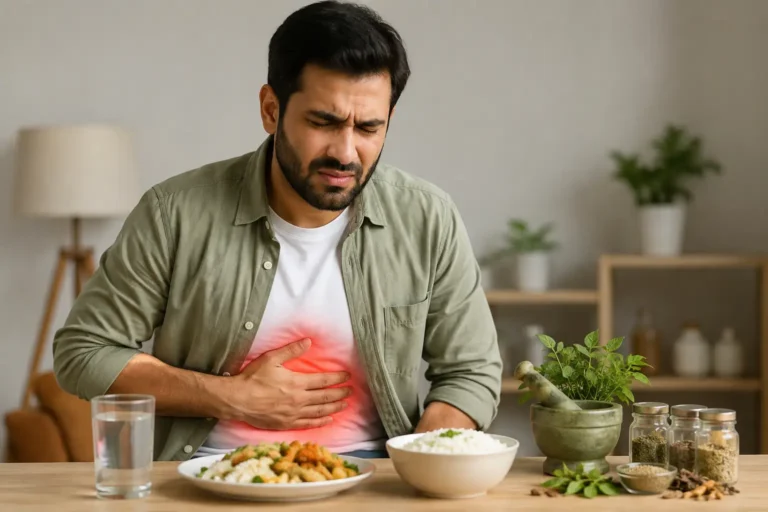
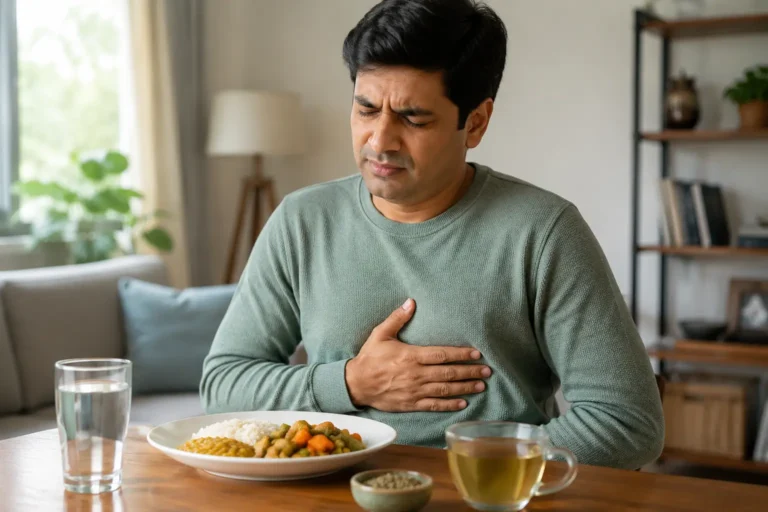
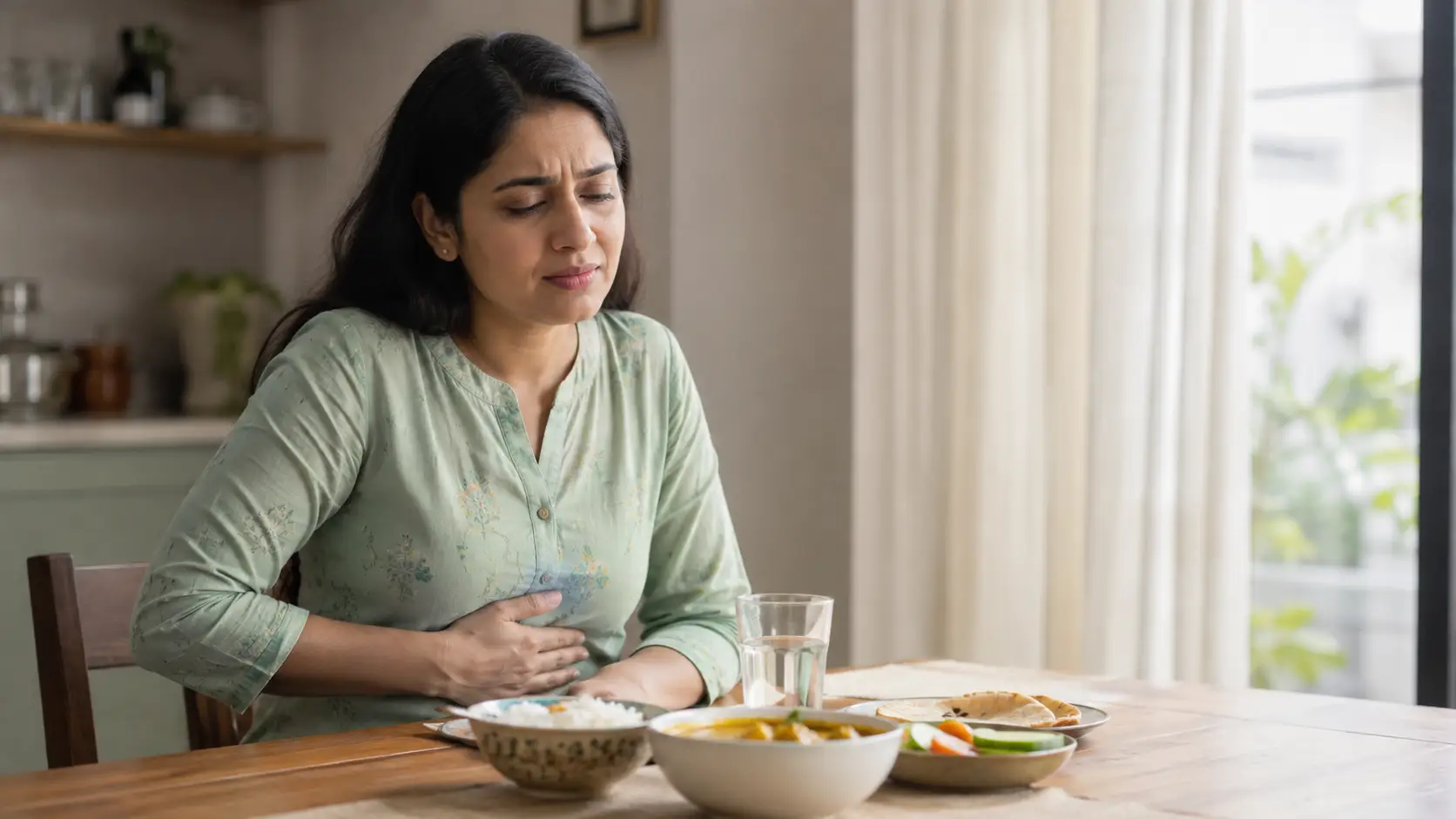
Indigestion after meals means discomfort, heaviness, burning, bloating, or fullness in the upper stomach after eating. It may happen occasionally after heavy food, but repeated symptoms may suggest weak digestion, acidity, stress, food intolerance, or an irregular routine.
Quick Answer
Indigestion after meals may be caused by overeating, eating too fast, fried or spicy food, late-night meals, excess tea or coffee, stress, poor sleep, constipation, acidity, or weak digestion. Better meal habits, lighter food, slow eating, regular routine, and guided Unani digestive support may help improve comfort.
Expert Summary
Indigestion after meals is a common digestive concern that can affect appetite, sleep, mood, and daily comfort. Many people feel stomach heaviness, sour burps, gas, bloating, or burning after oily snacks, heavy dinners, fast eating, or stressful days.
In Unani medicine, digestion is closely connected with Mizaj, stomach strength, food quality, meal timing, bowel movement, sleep, and daily routine. The goal is to support digestion naturally, reduce triggers, and improve long-term digestive balance.
Digecon from Pakiza Unani may be considered as supportive digestive care for acidity-related discomfort, indigestion, bloating, gas, and stomach heaviness under proper guidance.
Key Takeaways
- Indigestion after meals may cause heaviness, bloating, burning, nausea, burping, or early fullness.
- Common triggers include overeating, fried food, spicy food, stress, late meals, and excess tea or coffee.
- Repeated symptoms may be linked with acidity, gastritis, food intolerance, constipation, or weak digestion.
- Lifestyle and diet correction are important for long-term digestive comfort.
- Digecon may support digestion and stomach comfort under doctor guidance.
- Severe pain, vomiting blood, black stools, weight loss, or difficulty swallowing need medical advice.
Understanding Indigestion After Meals
Indigestion after meals is not one single disease. It is a group of digestive symptoms that may appear after eating. Some people feel full too quickly, while others feel heaviness or burning for hours after food.
Common signs include:
- upper stomach heaviness
- bloating
- gas
- frequent burping
- nausea
- burning sensation
- early fullness
- sour taste or sour burps
- reduced appetite
- discomfort while lying down
Occasional discomfort may happen after a very heavy meal, but frequent symptoms should be understood properly.
Free Doctor Consultation
If indigestion after meals is happening again and again, get personalized guidance based on your food habits, digestion pattern, Mizaj, and symptoms.
Book a Free Unani Doctor Consultation
7 Common Causes of Indigestion After Meals
1. Eating Too Fast
Eating quickly can make you swallow more air and may overload digestion. This can lead to burping, gas, bloating, and indigestion after meals.
2. Overeating
Large meals can slow digestion and increase pressure in the stomach. This may cause heaviness, nausea, and discomfort after food.
3. Fried, Spicy, or Oily Food
Fried snacks, spicy curries, fast food, heavy gravies, and oily meals may irritate digestion and trigger indigestion after meals in sensitive people.
4. Late-Night Meals
Eating dinner very late or sleeping soon after food can worsen acidity, heaviness, and reflux-like symptoms. Keeping dinner light and early may help.
5. Excess Tea, Coffee, or Carbonated Drinks
Too much tea, coffee, cola, soda, or fizzy drinks may trigger acidity, gas, and stomach discomfort in some people.
6. Stress and Poor Sleep
Stress can affect digestion, appetite, bowel movement, and stomach comfort. Poor sleep may also increase digestive discomfort after meals.
7. Weak Digestion
In Unani understanding, weak digestion may lead to heaviness, gas, bloating, poor appetite, and repeated indigestion after meals.
Symptoms to Watch For
Indigestion after meals may cause:
- stomach heaviness
- upper abdominal discomfort
- bloating or gas
- sour burps
- nausea
- early fullness
- burning in the stomach
- reduced appetite
- throat irritation in some cases
- disturbed sleep after dinner
If symptoms continue for several weeks, consultation is recommended.
When It May Be Serious
Seek medical advice if indigestion comes with:
- severe abdominal pain
- chest pain or breathlessness
- repeated vomiting
- vomiting blood
- black stools
- blood in stool
- difficulty swallowing
- unexplained weight loss
- persistent loss of appetite
- symptoms despite repeated medicine use
These signs should not be treated as simple indigestion without evaluation.
Important Note
Important: Indigestion after meals should not be self-treated for a long time if symptoms are frequent, severe, or worsening. Proper consultation is important to rule out acidity, gastritis, ulcers, reflux, medicine side effects, or other digestive conditions.
How Unani Medicine Approaches Indigestion After Meals
In Unani medicine, indigestion after meals may be viewed as a sign of disturbed digestion, weak stomach function, unsuitable food habits, Mizaj imbalance, stress, or irregular routine.
The Unani approach may focus on:
- supporting stomach strength
- improving digestion
- correcting meal timing
- reducing food triggers
- supporting regular bowel movement
- balancing Mizaj
- improving sleep and daily routine
- supporting long-term digestive comfort
Unani care should be personalized and followed under qualified guidance.
Lifestyle Tips for Better Digestion
Helpful habits include:
- eat slowly and chew properly
- avoid overeating
- eat meals on time
- keep dinner light
- avoid lying down immediately after meals
- walk slowly after meals
- reduce fizzy drinks
- manage stress
- sleep on time
- stay hydrated
- avoid smoking and alcohol
Small daily corrections can reduce repeated indigestion after meals over time.
Diet Tips for Indigestion After Meals
Helpful food choices may include:
- light home-cooked meals
- cooked vegetables
- dal-rice or khichdi when digestion is weak
- warm water in small sips
- fennel in small quantity after meals if suitable
- curd or buttermilk if it suits your body
- early and light dinner
- seasonal fruits in moderation
Foods that may trigger symptoms in some people include:
- fried foods
- spicy foods
- excess chilli
- fast food
- carbonated drinks
- excess tea or coffee
- heavy milk products if not tolerated
- late-night snacks
- very large meals
A food diary can help identify personal triggers.
Recommended Product Support: Digecon
Digecon from Pakiza Unani may support digestion, acidity-related discomfort, indigestion, gas, bloating, and stomach heaviness under proper guidance.
It may be considered for people who experience:
- heaviness after meals
- weak digestion
- acidity-related discomfort
- bloating
- gas formation
- repeated indigestion after meals
Digecon is supportive digestive care. It is not a substitute for medical diagnosis, emergency care, or treatment for serious digestive conditions.
Always use under proper medical guidance.
Unani vs Modern View
| Factor | Unani Approach | Modern Approach |
|---|---|---|
| Main Focus | Digestion, Mizaj, diet, and routine | Diagnosis and symptom relief |
| Approach | Holistic and lifestyle-focused | Medical and targeted |
| Speed | Gradual support | Faster relief in some cases |
| Diet Role | Very important | Important supportive role |
| Long-Term Support | Strong with routine correction | Depends on cause and treatment |
Both approaches can be useful when followed responsibly.
When to Consult a Doctor
Consult a doctor if:
- indigestion after meals happens frequently
- symptoms continue for several weeks
- discomfort disturbs sleep
- you need digestive medicine repeatedly
- symptoms started after a new medicine
- you have diabetes, heart disease, or high blood pressure
- you notice weight loss, vomiting, black stools, or blood in stool
Early guidance helps avoid wrong treatment and repeated discomfort.
Frequently Asked Questions
What causes indigestion after meals?
Indigestion after meals may be caused by overeating, eating too fast, fried food, spicy food, stress, poor sleep, constipation, acidity, or weak digestion.
Is indigestion after meals serious?
Occasional indigestion may not be serious, but frequent, painful, or long-lasting symptoms should be checked by a doctor.
What should I eat during indigestion after meals?
Light home-cooked food, cooked vegetables, simple khichdi, warm water, and early dinner may help. Avoid foods that personally trigger discomfort.
Can stress cause indigestion after meals?
Yes. Stress can disturb digestion, appetite, sleep, and bowel routine, which may worsen stomach discomfort after eating.
Can Unani medicine help with indigestion after meals?
Unani care may support digestion, Mizaj balance, stomach comfort, and lifestyle correction under proper guidance.
What is Digecon used for?
Digecon may support digestion, acidity-related discomfort, indigestion, bloating, gas, and stomach heaviness under proper guidance.
When should I see a doctor?
See a doctor if symptoms are frequent, severe, long-lasting, or come with vomiting, weight loss, black stools, blood in stool, chest pain, or difficulty swallowing.
References & Review Sources
- NIDDK: Indigestion / Dyspepsia
- Mayo Clinic: Indigestion Symptoms and Causes
- MedlinePlus: Indigestion
- Pakiza Unani: Digecon Digestive Sharbat Guide
- NCBI digestive health research database
Medical Review
Reviewed for safe educational wording, digestive health accuracy, Unani positioning, and suitable product connection with Digecon.
Book a Free Unani Doctor Consultation
Disclaimer
This article is for educational purposes only. It is not a substitute for medical diagnosis, treatment, emergency care, or specialist advice. Always consult a qualified healthcare professional before starting any medicine, supplement, Unani formulation, or digestive wellness product.