
7 Proven Azoospermia Causes & Fertility Support
Written by: Pakiza Unani Editorial Team
Reviewed by: Pakiza Unani’s In-house Unani Doctor
Last Updated: September 7, 2026
Definition
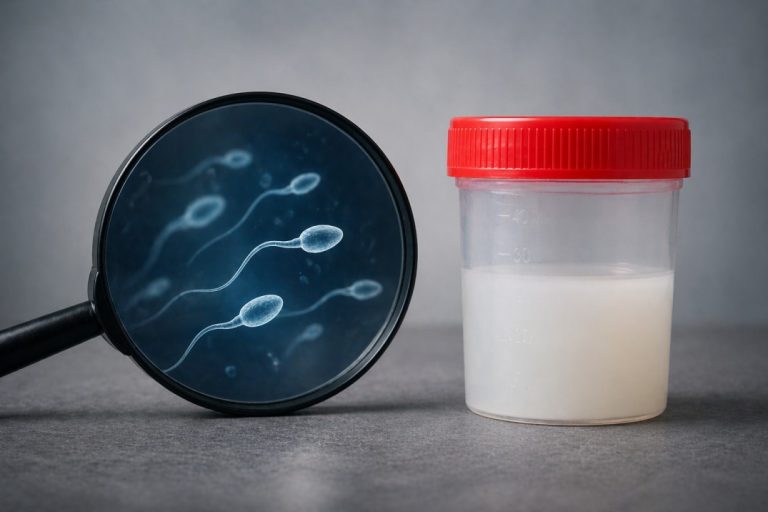
Azoospermia is a male fertility condition where semen contains no measurable sperm during semen analysis. It can happen because sperm production is affected, sperm transport is blocked, or hormonal signals are not supporting normal sperm formation.
Quick Answer
Azoospermia may be caused by blockage in the reproductive tract, hormonal imbalance, varicocele, infection, genetic factors, testicular injury, past surgery, certain medicines, or lifestyle-related health problems. Diagnosis usually needs semen analysis and medical evaluation. Natural and Unani support may help overall fertility wellness, but proper diagnosis is essential before starting treatment.
Expert Summary
Azoospermia can be emotionally stressful for couples trying to conceive, but it should not be seen as the end of fertility hope. The right approach starts with identifying whether the issue is due to blockage, hormone imbalance, or reduced sperm production.
In Unani medicine, male fertility is connected with overall vitality, digestion, nourishment, Mizaj balance, reproductive strength, sleep, stress, and lifestyle habits. Unani support may help improve general wellness and fertility health when used under qualified guidance, but it should work alongside proper medical testing.
Key Takeaways
- Azoospermia means sperm is not found in semen analysis.
- It can be obstructive or non-obstructive.
- A repeat semen analysis is usually needed to confirm the condition.
- Hormone tests, ultrasound, genetic testing, or specialist evaluation may be required.
- Self-medication should be avoided.
- Healthy diet, sleep, stress control, and doctor-guided Unani support may help overall male fertility wellness.
- Couples should seek early consultation instead of delaying treatment.
Understanding Azoospermia
Male fertility depends on healthy sperm production, proper sperm transport, hormone balance, and overall reproductive health. In azoospermia, sperm may not appear in semen even when ejaculation looks normal.
This condition is usually divided into two broad types:
- Obstructive: sperm is produced but cannot pass due to blockage.
- Non-obstructive: sperm production itself is low or absent.
Both types need different management, so guessing the cause without testing can lead to wrong treatment.
Free Doctor Consultation
If your semen report shows no sperm or repeated low fertility results, get private guidance based on your symptoms, reports, lifestyle, and health history.
Book a Free Unani Doctor Consultation
7 Common Causes of Azoospermia
1. Blockage in the Reproductive Tract
In some men, sperm production may be present, but sperm cannot travel properly because of blockage. This may happen due to infection, past surgery, injury, swelling, or structural problems.
2. Hormonal Imbalance
Hormones from the brain and testes support sperm production. If these signals are disturbed, sperm formation may reduce. Low testosterone, pituitary-related issues, or other endocrine problems may contribute.
3. Varicocele
Varicocele means enlarged veins around the testicles. It may affect temperature regulation and sperm health in some men. A doctor can evaluate whether it is contributing to fertility problems.
4. Infection or Inflammation
Past infections, sexually transmitted infections, prostate inflammation, or reproductive tract infections may affect sperm transport or fertility health. Medical testing is important if infection is suspected.
5. Genetic Factors
Some men may have genetic or chromosomal factors that affect sperm production. In such cases, genetic testing may be advised by a fertility specialist.
6. Testicular Injury, Surgery, or Medical Treatment
Past testicular injury, undescended testes, hernia surgery, cancer treatment, chemotherapy, radiation, or certain medicines may affect sperm production or transport.
7. Lifestyle and General Health Factors
Obesity, smoking, alcohol, chronic stress, poor sleep, uncontrolled diabetes, heat exposure, poor diet, and long-term illness may affect fertility wellness. These may not always directly cause azoospermia, but they can reduce overall reproductive health.
Symptoms to Watch For
Many men with azoospermia do not notice obvious symptoms. The main sign is difficulty achieving pregnancy despite regular unprotected intercourse.
Some men may also notice:
- low sexual desire
- erectile difficulty
- low energy
- testicular pain or swelling
- small testicular size
- history of infection or surgery
- hormonal symptoms
- reduced facial or body hair in some cases
Symptoms are not enough for diagnosis. Semen analysis and doctor evaluation are required.
How Azoospermia Is Diagnosed
Diagnosis usually begins with semen analysis. If sperm is not found, the test may be repeated because one report alone may not give the full picture.
A doctor may suggest:
- repeat semen analysis
- physical examination
- hormone testing
- ultrasound or imaging
- infection-related tests
- genetic testing where needed
- post-ejaculation urine test in selected cases
- testicular biopsy in some situations
The exact tests depend on medical history, examination, and report findings. You can also explore fertility-related medical literature through NCBI for educational awareness.
Important Note
Important: Azoospermia should not be self-treated with random fertility boosters, testosterone products, herbal medicines, oils, or online supplements. Some products may worsen hormonal balance or delay proper diagnosis. Always consult a qualified doctor before starting any fertility treatment.
How Unani Medicine Supports Male Fertility Wellness
In Unani medicine, male fertility is viewed through whole-body balance. Reproductive wellness is linked with digestion, nourishment, nerve strength, circulation, sleep, stress, and Mizaj.
The Unani approach may focus on:
- supporting general vitality
- improving digestion and nourishment
- balancing lifestyle and sleep
- reducing stress-related weakness
- supporting reproductive wellness
- choosing suitable herbs based on Mizaj
- avoiding unsuitable food and habits
Unani support should be personalized. The goal is not to promise a cure, but to support the body while the real cause is properly understood.
Lifestyle Support for Male Fertility
Daily habits can play an important role in fertility wellness.
Helpful habits include:
- stop smoking
- avoid alcohol
- sleep 7 to 8 hours where possible
- maintain healthy body weight
- avoid excessive heat exposure
- exercise regularly
- reduce stress
- manage diabetes and blood pressure
- avoid anabolic steroids
- avoid self-medication
- follow doctor advice after reports
These habits may support better overall reproductive health.
Diet Support for Fertility Wellness
A fertility-supportive diet should focus on nourishment, digestion, and steady energy.
Helpful choices may include:
- protein-rich meals
- fresh vegetables
- seasonal fruits in moderation
- whole grains
- nuts and seeds in moderation
- milk if suitable
- dates and figs in moderation
- enough water
- light and timely dinner
Try to reduce:
- excess sugar
- fried food
- processed snacks
- smoking
- alcohol
- sugary drinks
- very late meals
- overeating
Men with diabetes, kidney disease, obesity, acidity, or other health conditions should follow personalized diet guidance.
Unani vs Modern Fertility View
| Factor | Unani Approach | Modern Fertility Approach |
|---|---|---|
| Main Focus | Mizaj, vitality, digestion, lifestyle, and reproductive wellness | Diagnosis, semen testing, hormones, imaging, and fertility treatment |
| Approach | Holistic and personalized | Medical and cause-based |
| Speed | Gradual support | Depends on diagnosis |
| Testing Role | Important for correct guidance | Essential |
| Best Use | Supportive wellness care | Identifying and treating the exact cause |
Both approaches can be useful when followed responsibly and under professional supervision.
When to Consult a Doctor
Consult a doctor if:
- semen analysis shows no sperm
- you and your partner are unable to conceive
- there is testicular pain or swelling
- you have a history of surgery, injury, infection, or undescended testes
- you have diabetes or hormonal symptoms
- you are taking medicines that may affect fertility
- you are considering herbal or fertility products
- you need a clear plan for azoospermia evaluation
Early consultation can save time and reduce emotional stress.
Why Consultation Is Important
A confidential consultation helps understand whether the issue may be related to blockage, hormones, sperm production, infection, lifestyle, or other health factors.
A doctor may review:
- semen analysis reports
- age and fertility history
- sexual health concerns
- testicular health
- past infections
- surgery or injury history
- diabetes or chronic illness
- medicine history
- lifestyle and stress level
- need for further testing
A clear diagnosis helps decide the right next step.
Frequently Asked Questions
What is azoospermia?
Azoospermia means no measurable sperm is found in semen during semen analysis.
Can azoospermia be treated?
Treatment depends on the cause. Some cases may improve with medical treatment, surgery, hormone correction, or assisted fertility options, while others need specialist guidance.
Is one semen report enough?
Usually, doctors may advise repeat semen analysis to confirm the result and avoid wrong conclusions.
Can Unani medicine help with azoospermia?
Unani support may help overall vitality, digestion, lifestyle balance, and fertility wellness under guidance, but the exact cause must be diagnosed first.
Can lifestyle changes improve male fertility?
Healthy weight, good sleep, stress control, regular exercise, no smoking, and better diet may support male fertility wellness.
Should I take testosterone for fertility?
No. Testosterone or hormone products should not be taken without medical advice because they may affect sperm production.
When should I seek help for male fertility?
Seek help if pregnancy has not happened after one year of regular unprotected intercourse, or earlier if there is a known issue, abnormal semen report, age concern, or medical history.
Related Articles
- Erectile Dysfunction: Causes, Symptoms & Natural Support Guide
- Low Libido: Causes, Signs & Natural Support Guide
- Diabetes and Men’s Sexual Health: Causes, Effects & Natural Support
- Best Unani Herbs for Men’s Vitality and Stamina
- What Is Mizaj in Unani Medicine?
References & Review Sources
- Cleveland Clinic: Azoospermia
- Mayo Clinic: Male Infertility Diagnosis and Treatment
- Mayo Clinic: Low Sperm Count
- NICHD: Possible Causes of Male Infertility
- NCBI fertility research database
Medical Review
Reviewed for safe educational wording, male fertility accuracy, Unani positioning, and consultation-focused guidance.
Disclaimer
This article is for educational purposes only. It is not a substitute for medical diagnosis, fertility treatment, emergency care, or specialist advice. Always consult a qualified healthcare professional before starting any medicine, supplement, Unani formulation, hormone product, or fertility treatment.