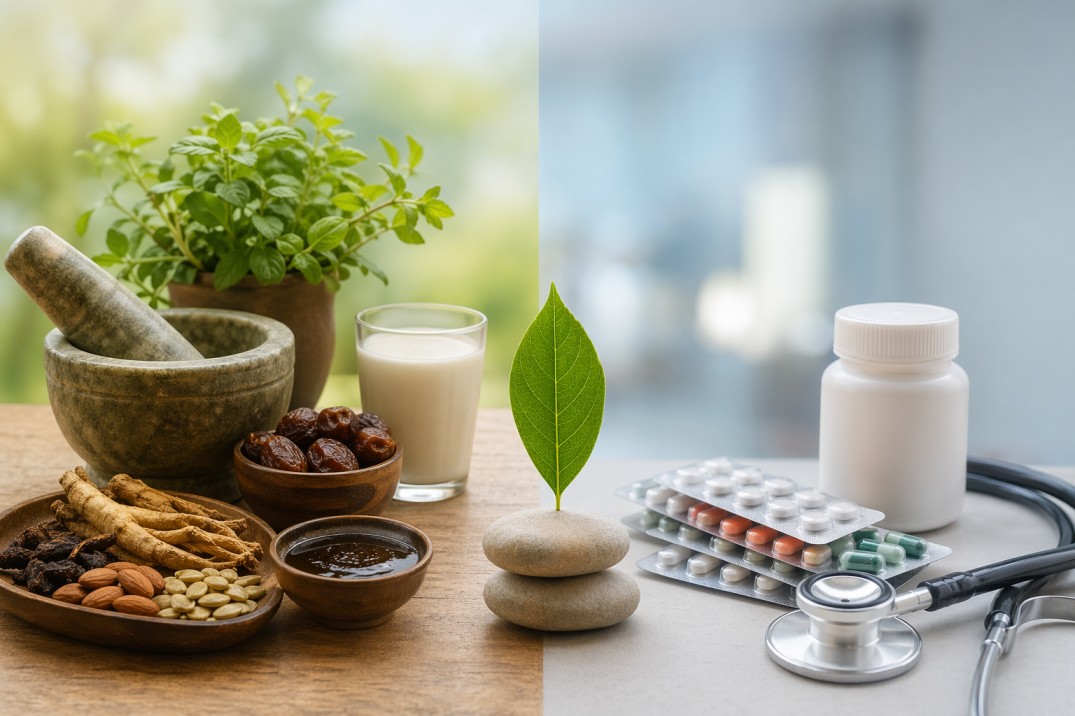
Unani vs Modern Anti-Aging: Which Approach Is Better for Healthy Aging?
Written by: Pakiza Unani Editorial Team
Reviewed by: Pakiza Unani’s In-house Unani Doctor
Last Updated: April 22, 2026
Definition
When evaluating unani vs modern anti-aging, aging (Taqaddum-e-Sinn) is recognized in classical Unani medicine (Tibb-e-Unani) as a natural physiological process associated with the gradual depletion of innate biological moisture (Rutoobat-e-Ghariziyyah) and a slow reduction of innate metabolic heat (Hararat-e-Ghariziyyah).
Understanding unani vs modern anti-aging helps individuals look beyond isolated age-related symptoms and focus on preventive health, preservation of vitality, support for primary vital organs (Aza-e-Raeesa — heart, brain, and liver), and maintenance of constitutional balance (Mizaj).
Quick Answer
In the comparison of unani vs modern anti-aging, modern medicine offers important advantages in diagnostic testing, biomarker monitoring, acute treatment, and management of age-related diseases.
Classical Unani medicine focuses more strongly on lifelong preventive health (Hifzan-e-Sehat), balanced nutrition, digestion, sleep, physical activity, emotional well-being, and maintenance of an individual’s Mizaj.
For healthy aging, these approaches do not necessarily need to compete. Modern medical screening combined with appropriate lifestyle and physician-guided traditional care may provide a more balanced approach to long-term health.
Expert Summary
Healthy aging depends on several interconnected factors, including adequate nutrition, physical activity, restorative sleep, healthy circulation, digestive function, metabolic health, and management of chronic inflammation.
Age-related changes may gradually appear as reduced energy, joint stiffness, disturbed sleep, slower digestion, reduced muscle strength, or changes in metabolic health.
Classical Unani medicine uses the Six Essential Prerequisites of Health (Asbab-e-Sittah Zarooriyyah) as a foundation for preventive care. These include:
- Air and environment
- Food and drink
- Physical activity and rest
- Emotional and mental balance
- Sleep and wakefulness
- Retention and elimination (Istifragh)
Maintaining balance across these areas may help support vitality and quality of life as a person grows older.
Key Takeaways
- Understanding unani vs modern anti-aging can help create a balanced healthy-aging routine combining traditional preventive care with modern health screening.
- Unani medicine emphasizes Mizaj, digestion, sleep, physical activity, nutrition, elimination, and preservation of vitality.
- Modern medicine is especially valuable for identifying and managing diabetes, hypertension, cardiovascular disease, osteoporosis, hormonal disorders, and other age-related conditions.
- Healthy aging should focus on sustainable habits rather than quick-fix anti-aging claims.
- Herbal or Unani formulations should be selected according to individual health needs and under qualified professional guidance.
- Individuals interested in personalized guidance can request a Free Unani Doctor Consultation.
Physiological Overview: Unani vs Modern Anti-Aging
From a classical Unani perspective, aging is associated with progressive changes in innate moisture and heat:
Reduction in Biological Moisture (Rutoobat) → Reduced Innate Heat (Hararat) → Increased Dryness (Yubusat) → Gradual Functional Decline
The traditional Unani approach focuses on:
Regulating Asbab-e-Sittah → Supporting Aza-e-Raeesa → Improving Digestion and Lifestyle → Preserving Vitality
Modern medicine evaluates aging through measurable factors such as blood pressure, blood glucose, cholesterol, bone density, muscle mass, cardiovascular health, hormonal changes, cognitive function, and other clinical biomarkers.
A balanced unani vs modern anti-aging approach can therefore combine preventive lifestyle care with evidence-based medical screening.
Primary Factors That May Influence Healthy Aging
1. Increasing Dryness (Yubusat)
Classical Unani medicine associates advancing age with increasing dryness. Adequate nutrition, healthy fats, hydration, and suitable lifestyle habits are therefore considered important for maintaining comfort and vitality.
2. Reduced Digestive Efficiency
Digestive function may become less efficient with age. Poor digestion can affect appetite, nutrient intake, bowel regularity, and overall energy.
Unani physicians may assess digestive strength and recommend dietary or herbal measures according to the individual’s Mizaj.
3. Oxidative Stress
Normal metabolism produces free radicals, while excessive oxidative stress may contribute to cellular damage.
A diet containing fruits, vegetables, herbs, nuts, and other antioxidant-rich foods can form part of a healthy-aging lifestyle.
4. Hormonal and Circadian Changes
Sleep patterns, hormone levels, and circadian rhythms may change with age. Maintaining consistent sleep and wake times and obtaining appropriate daylight exposure can support healthier sleep patterns.
5. Reduced Physical Activity
Loss of regular movement can contribute to reduced muscle strength, flexibility, cardiovascular fitness, and mobility.
Moderate activity appropriate to age and medical condition is an important part of healthy aging.
Free Unani Doctor Consultation
Are you experiencing persistent low energy, digestive discomfort, joint stiffness, disturbed sleep, or reduced stamina as you age?
Pakiza Unani offers confidential consultations where an Unani doctor can review your symptoms, lifestyle, health history, and constitutional temperament (Mizaj) before recommending suitable dietary, lifestyle, or traditional support.
Book a Free Unani Doctor Consultation
7 Best Healthy Aging Tips: Unani vs Modern Anti-Aging
1. Preserve Healthy Nutrition and Hydration
Classical Unani medicine places importance on preserving appropriate Rutoobat or moisture in the body.
Choose nourishing foods such as vegetables, fruits, pulses, whole grains, nuts, seeds, and healthy fats according to your digestive tolerance and health needs.
Adequate hydration is also important, although individual fluid requirements vary depending on climate, activity level, kidney function, heart health, and medication use.
2. Support the Primary Vital Organs (Aza-e-Raeesa)
The heart, brain, and liver are traditionally regarded as important organs in maintaining overall vitality.
Modern preventive care also emphasizes monitoring cardiovascular, metabolic, liver, and cognitive health through appropriate medical check-ups.
This is an important area where unani vs modern anti-aging approaches can complement one another.
3. Maintain Strong Digestion (Hazm)
Digestion has a central role in Unani health philosophy.
Eating freshly prepared meals, avoiding habitual overeating, maintaining regular meal timings, and identifying foods that cause heaviness or digestive discomfort may help support digestive health.
Mild digestive herbs may sometimes be recommended by an Unani physician when appropriate.
4. Include Antioxidant-Rich Foods
Fruits, vegetables, herbs, spices, and nuts provide a variety of naturally occurring antioxidants and phytonutrients.
Amla, turmeric, pomegranate, berries, leafy vegetables, and other antioxidant-rich foods can be incorporated as part of a balanced diet.
No single herb or food can prevent aging, but an overall nutrient-rich diet can contribute to long-term health.
5. Prioritize Restorative Sleep
Quality sleep supports cognition, metabolism, immune function, mood, and physical recovery.
Helpful habits include:
- Maintaining regular sleep and wake times
- Keeping the bedroom dark and comfortable
- Limiting heavy meals close to bedtime
- Reducing excessive screen exposure at night
- Avoiding unnecessary late-night stimulation
People with persistent insomnia, loud snoring, breathing pauses during sleep, or severe daytime tiredness should seek appropriate medical evaluation.
6. Stay Physically Active
Regular physical activity is one of the most important habits for healthy aging.
Depending on your age and physical condition, this may include:
- Walking
- Mobility exercises
- Light strength training
- Yoga
- Stretching
- Balance exercises
Older adults or people with cardiovascular, joint, or other medical conditions should choose activities appropriate to their health status.
7. Maintain Healthy Elimination (Istifragh)
Unani medicine considers appropriate elimination an important part of maintaining balance.
Regular bowel habits can be supported through adequate dietary fibre, suitable hydration, regular movement, and balanced meals.
Persistent constipation, urinary symptoms, blood in stools, unexplained weight loss, or other significant changes should be medically evaluated rather than treated only with home remedies.
Core Difference: Unani vs Modern Anti-Aging
| Parameter | Classical Unani Approach | Modern Healthy-Aging Approach |
|---|---|---|
| Guiding Philosophy | Constitutional balance, prevention and preservation of vitality | Disease prevention, risk reduction and measurable health outcomes |
| Assessment | Mizaj, digestion, sleep, lifestyle and traditional clinical assessment | Blood tests, imaging, biomarkers and clinical screening |
| Core Method | Asbab-e-Sittah, diet, lifestyle and physician-guided traditional formulations | Nutrition, exercise, medicines, preventive screening and medical treatment |
| Systemic Focus | Whole-body balance and preventive care | Organ-specific and systemic disease prevention |
| Action | Usually gradual and individualized | Can include both preventive and rapid targeted intervention |
| Preventive Role | Central to daily health maintenance | Strong emphasis on screening, vaccination and risk-factor management |
The most appropriate unani vs modern anti-aging strategy depends on the individual’s age, health status, current medications, lifestyle, and medical risks.
Classical Unani Botanicals Used in Healthy Aging Traditions
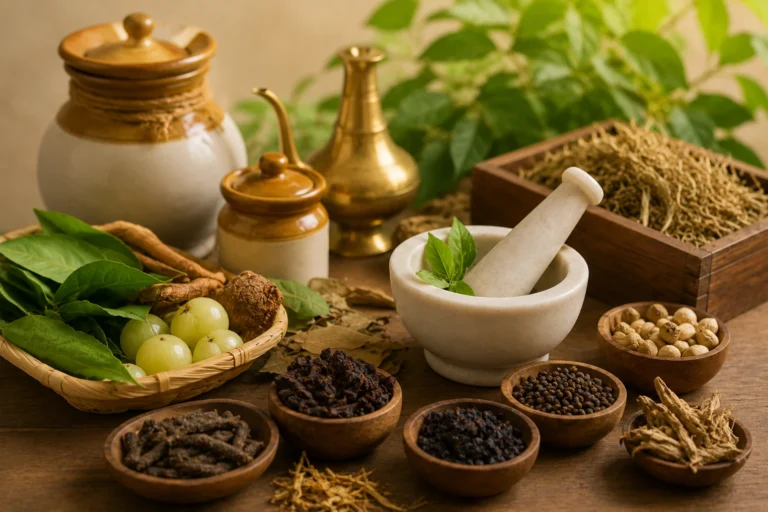
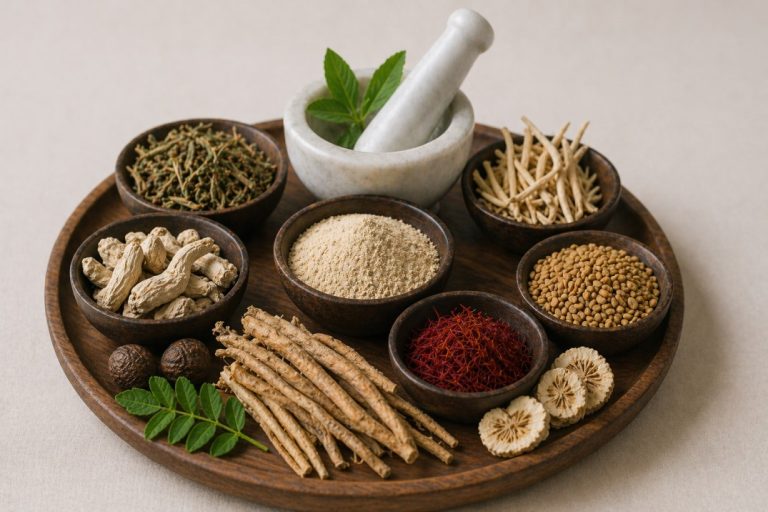
A number of botanicals have traditionally been used in Unani practice as part of restorative or general wellness formulations.
Zafran (Crocus sativus)
Saffron has traditionally been classified as a valued Mufarreh or exhilarant in Unani medicine and may be included in physician-guided formulations for general well-being.
Asgandh (Withania somnifera)
Asgandh, commonly known as Ashwagandha, has a long history of traditional use for strength, stress management, and general vitality.
It may interact with medications or be unsuitable for some medical conditions, so professional guidance is advisable.
Amla (Phyllanthus emblica)
Amla is widely used in traditional systems of medicine and is naturally rich in vitamin C and polyphenolic compounds.
It can be included as part of a balanced diet or physician-guided traditional formulation.
Shilajit
Purified Shilajit has traditionally been used in restorative preparations.
Because quality, purity, dose, and potential contamination are important considerations, Shilajit products should only be used from reliable sources and preferably under professional guidance.
Recommended Pakiza Unani Wellness Formulations
Pakiza Unani provides physician-guided traditional formulations that may be recommended according to the individual’s health profile and Mizaj.
Golden Knight Daily / Senior Formula
A wellness formulation intended to support general vitality, strength, and stamina as part of a broader healthy lifestyle.
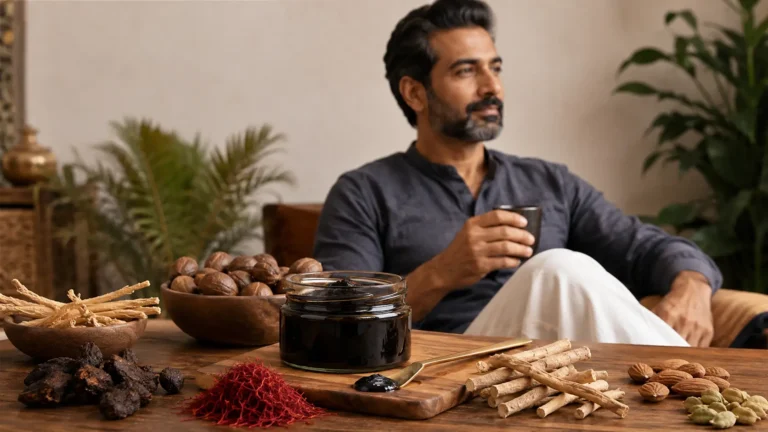
Majoon Salab
A classical-style restorative electuary traditionally used to support strength, nourishment, and general vitality.
Habb-e-Prostate
A traditional formulation intended for men’s urinary and prostate wellness support.
Important: These products are not substitutes for medical diagnosis or treatment. Persistent fatigue, urinary problems, sexual difficulties, unexplained weight changes, chest pain, neurological symptoms, or other concerning symptoms require appropriate medical evaluation.
Speak With a Pakiza Unani Doctor Before Choosing a Formulation
Daily Diet and Lifestyle Protocol for Healthy Aging
Start the Morning Gently
Begin the day with water and a balanced breakfast suited to your digestive tolerance.
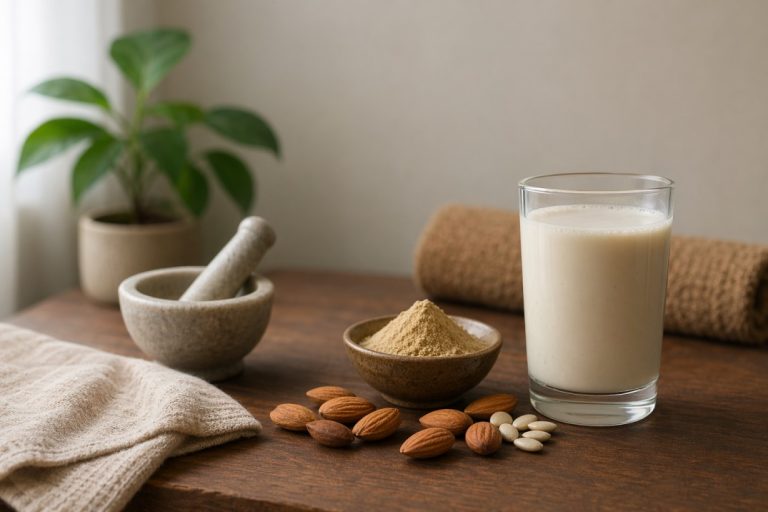
Some people may include soaked almonds, milk, or other nourishing foods when appropriate for their diet and health condition.
Prefer Freshly Prepared Foods
Build meals around:
- Seasonal vegetables
- Fruits
- Whole grains
- Pulses and legumes
- Nuts and seeds
- Appropriate sources of protein
- Healthy dietary fats
Limit excessive consumption of highly processed foods, added sugars, and foods high in trans fats.
Stay Appropriately Hydrated
Drink fluids regularly throughout the day according to thirst, climate, activity, and medical requirements.
People with kidney disease, heart failure, or fluid restrictions should follow their healthcare professional’s advice rather than a fixed daily water target.
Get Regular Daylight Exposure
Natural daylight, particularly earlier in the day, can help maintain normal circadian rhythms.
Sun exposure recommendations should also take skin type, climate, vitamin D status, and skin-cancer prevention into consideration.
Support Emotional Well-Being
Chronic stress can affect sleep, digestion, cardiovascular health, and overall quality of life.
Useful practices may include:
- Slow breathing exercises
- Meditation
- Prayer or spiritual practice
- Spending time with family
- Walking outdoors
- Maintaining social connections
When Should You See a Doctor?
Healthy-aging practices should complement—not replace—appropriate medical care.
Seek professional evaluation if you develop:
- Persistent or unexplained fatigue
- Chest pain or breathlessness
- Significant memory changes
- Sudden weakness or dizziness
- Unexplained weight loss
- Persistent digestive problems
- Blood in urine or stool
- New urinary difficulties
- Severe joint pain
- Persistent sleep problems
- Uncontrolled blood pressure or blood sugar
Regular preventive screening becomes increasingly important with age.
Frequently Asked Questions
What are the main benefits of understanding unani vs modern anti-aging?
Understanding unani vs modern anti-aging helps individuals recognize the strengths of both approaches.
Modern medicine can identify risk factors and diseases through diagnostic testing, while Unani medicine emphasizes personalized preventive habits involving diet, digestion, sleep, movement, and Mizaj.
Is Unani or modern medicine better for anti-aging?
There is no single system that can stop normal aging.
Modern medicine is essential for diagnosis, disease prevention, emergency treatment, and management of chronic health conditions.
Unani medicine may complement this through individualized lifestyle, dietary, and physician-guided traditional wellness practices.
Can Unani therapies reverse biological aging?
No therapy can reliably reverse chronological aging.
Healthy lifestyle practices and appropriate medical care may, however, help maintain strength, metabolic health, mobility, sleep quality, and quality of life as a person grows older.
How long does Unani treatment take to show results?
The response varies according to the individual’s condition, age, lifestyle, diet, health history, and treatment plan.
Avoid relying on fixed timelines. A qualified Unani physician can monitor progress and adjust recommendations when necessary.
Can I use Unani medicines together with modern medicines?
Sometimes, but this should be discussed with a qualified healthcare professional.
Herbal and traditional formulations can interact with prescription medicines, particularly medicines for diabetes, blood pressure, thyroid disorders, blood thinning, sleep, or other chronic conditions.
What is the most important habit for healthy aging?
There is no single anti-aging habit.
Consistent physical activity, nutritious food, adequate sleep, avoiding tobacco, maintaining healthy blood pressure and blood sugar, staying socially engaged, and receiving age-appropriate preventive screening are among the most important foundations of healthy aging.
Related Knowledge Guides
- Infertility Causes, Signs & Fertility Support Guide for Couples
- Weakness in Male Sexual Health: Causes, Signs & Natural Support – 7 Best Tips
- Golden Knight Stamina Prash: Benefits, Ingredients & 7 Best Usage Tips
Medical Disclaimer
This article is for educational and informational purposes only. It is not intended to diagnose, treat, cure, or prevent any disease and should not be considered a substitute for professional medical advice.
Always consult a qualified healthcare professional or Unani physician before starting any herbal medicine, supplement, dietary protocol, or traditional formulation, particularly if you have an existing medical condition, are pregnant or breastfeeding, or take prescription medicines.