5 Calcium-Rich Moringa Leaf Recipes: How to Make Them and When to Eat
Written by: Pakiza Unani Editorial Team
Reviewed by: Pakiza Unani’s In-house Unani Doctor
Last Updated: June 29, 2026
Definition
Preparing nutritious calcium-rich moringa leaf recipes using fresh drumstick or Sahjan leaves (Moringa oleifera) is a traditional way to enhance bone strength, daily stamina, and natural vitality. These green leaves are naturally loaded with plant-based bioactives, minerals, and dietary antioxidants, making them an essential dietary addition for musculoskeletal nourishment.
Quick Answer
Preparing simple calcium-rich moringa leaf recipes such as dal, soup, and breakfast chilla helps support bone health, digestion, and daily energy. and breakfast chilla. These recipes may help support calcium intake, bone health, digestion, immunity, and daily energy. The best time to eat moringa depends on the recipe: light moringa soup can be taken in the evening, moringa dal or khichdi at lunch, and moringa chilla or paratha at breakfast.
Expert Summary
Moringa leaves are a valuable food ingredient in traditional wellness because they combine nutrition with everyday practicality. Instead of depending only on supplements, many people can add moringa leaves to home-cooked meals in small, regular amounts. From a Unani wellness perspective, the focus should be on balanced digestion, suitable food combinations, moderation, and body nature. Moringa can be beneficial as part of a healthy diet, but people with chronic health conditions, pregnancy, or those taking regular medicines should consult a qualified doctor before using it in high amounts or as a supplement.
Key Takeaways
- Moringa leaves are a nutrient-rich green leafy food.
- They can be added to daily Indian meals in simple ways.
- Traditional and scientific studies indexed on NCBI
highlight that calcium-rich moringa leaf recipes support bone mineral density, digestion, and daily immunity. - Fresh leaves should be cleaned properly before use.
- Avoid excessive intake; moderation is important.
- People with medical conditions should consult a doctor before taking moringa regularly in large amounts.
Understanding Moringa Leaves
Moringa leaves come from the moringa tree, commonly known in India as Sahjan or drumstick tree. While drumsticks are commonly used in sambar and curries, the leaves are also highly useful in cooking.
Moringa leaves have a slightly earthy and mildly bitter taste. Because of this, they are best used with ingredients such as dal, garlic, cumin, sesame, coconut, curd, lemon, wheat flour, ragi, or rice.
In many Indian homes, moringa leaves are used in:
- dal
- sabzi
- paratha
- soup
- chutney
- dosa
- khichdi
- stir-fry recipes
The best part is that moringa leaves can be included in regular meals without making the diet complicated.
Free Doctor Consultation
Are you confused about which foods, herbs, or Unani products are suitable for your body type?
Pakiza Unani offers free doctor consultation to help users understand their health condition, digestion, body nature, and wellness needs before starting any new health routine.
Why Moringa Leaves Are Considered Good for Wellness
Moringa leaves are popular because they provide multiple nutrients in a natural food form.
They may support:
- bone strength
- daily energy
- digestion
- immunity
- muscle function
- general nourishment
- healthy aging
- recovery from weakness
In a traditional wellness approach, moringa is not seen as a magic food. It is seen as a nourishing green that can support health when included as part of a balanced lifestyle.
Important Nutritional Value of Moringa Leaves
Moringa leaves are known for their nutrient density. They may provide:
- calcium
- iron
- potassium
- magnesium
- vitamin A-related nutrients
- vitamin C
- plant-based antioxidants
- dietary fiber
Calcium is important for bones and teeth, but the body also needs good digestion, vitamin D, protein, physical activity, and overall nutrition to maintain bone health.
This is why moringa should be used as part of a complete wellness routine, not as the only source of nutrition.
Common Reasons People Add Moringa to Their Diet
People often add moringa leaves to food for:
- weakness
- low energy
- poor nutrition
- bone health support
- women’s wellness
- post-illness nourishment
- aging-related weakness
- family nutrition
- immunity support
However, every person’s body is different. What suits one person may not suit another, especially when digestion is weak or a medical condition is present.
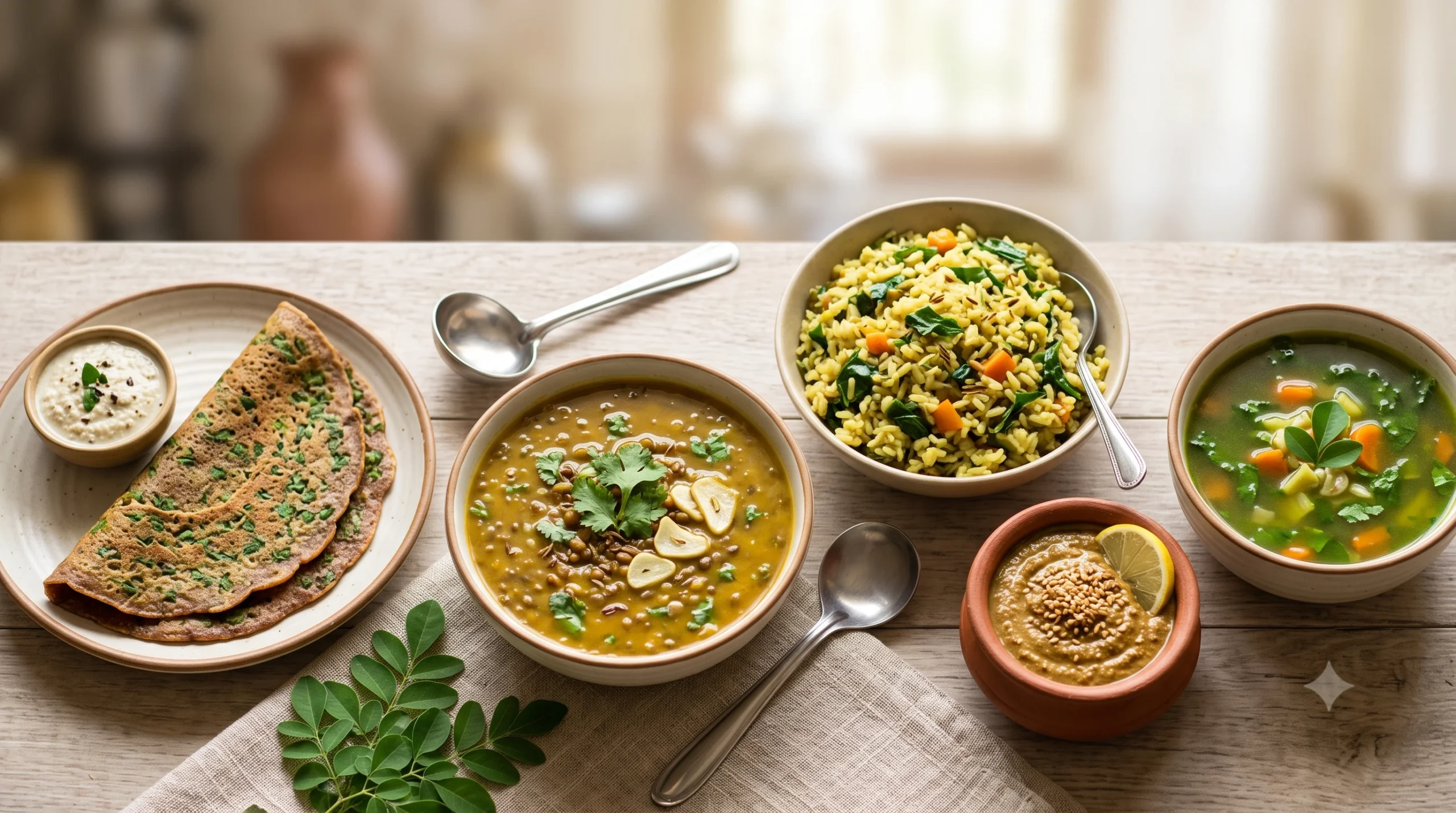
5 Calcium-Rich Moringa Leaf Recipes
Below are five simple and practical moringa leaf recipes that can be added to Indian meals.
1. Moringa Dal for Lunch
Moringa dal is one of the most nourishing calcium-rich moringa leaf recipes to include in daily lunch for sustained strength. It is simple, nourishing, and suitable for lunch.
Ingredients
- 1 cup toor dal, moong dal, or masoor dal
- 1 small bowl fresh moringa leaves
- 1 small onion, chopped
- 1 tomato, chopped
- 2 garlic cloves
- 1/2 teaspoon cumin seeds
- 1/4 teaspoon turmeric
- 1 teaspoon ghee
- Salt as required
- Water as required
How to Make
- Wash the dal properly.
- Clean and wash the moringa leaves.
- Pressure cook dal with turmeric, tomato, and water.
- In a pan, heat ghee and add cumin seeds.
- Add garlic and onion, then sauté lightly.
- Add chopped moringa leaves and cook for 2–3 minutes.
- Add cooked dal and mix well.
- Simmer for 5 minutes.
- Serve warm with rice or roti.
When to Eat
Best time: Lunch
Moringa dal is best taken during lunch because it is nourishing and easier to digest when the digestive fire is active during the day.
Wellness Benefit
This recipe may support strength, digestion, protein intake, and daily calcium nourishment.
2. Moringa Ragi Chilla for Breakfast
Combining ragi with drumstick leaves creates easy calcium-rich moringa leaf recipes for a high-energy morning breakfast. This recipe is useful for people who want a healthy start to the day.
Ingredients
- 1/2 cup ragi flour
- 2 tablespoons besan
- 1 small handful chopped moringa leaves
- 1 small onion, finely chopped
- 1/2 teaspoon ajwain
- 1/4 teaspoon turmeric
- Salt as required
- Water as needed
- Ghee or oil for cooking
How to Make
- Mix ragi flour and besan in a bowl.
- Add chopped moringa leaves, onion, ajwain, turmeric, and salt.
- Add water slowly and make a smooth batter.
- Rest the batter for 10 minutes.
- Heat a tawa and spread the batter like a chilla.
- Cook on both sides using a little ghee or oil.
- Serve warm with curd or chutney.
When to Eat
Best time: Breakfast
This recipe is filling and can provide steady energy in the morning.
Wellness Benefit
Moringa ragi chilla may support bone health, satiety, digestion, and morning energy.
3. Moringa Vegetable Soup for Evening
Preparing warm moringa soup is one of the easiest calcium-rich moringa leaf recipes for a light, comforting evening snack.
Ingredients
- 1 small bowl moringa leaves
- 1 carrot, chopped
- 1 small piece ginger
- 2 garlic cloves
- Black pepper as required
- Salt as required
- 3 cups water
- 1 teaspoon ghee or olive oil
How to Make
- Wash moringa leaves properly.
- Heat ghee or oil in a pan.
- Add ginger and garlic.
- Add carrot and moringa leaves.
- Add water and cook for 8–10 minutes.
- Blend lightly if desired.
- Add salt and black pepper.
- Serve warm.
When to Eat
Best time: Evening
This soup can be taken in the evening as a light snack, especially when you want something warm and healthy.
Wellness Benefit
Moringa soup may support light nourishment, immunity, hydration, and digestive comfort.
4. Moringa Sesame Chutney with Meals
Pairing sesame seeds with drumstick leaves makes delicious calcium-rich moringa leaf recipes to serve as a side condiment with meals. This can be used in small amounts with meals.
Ingredients
- 1 small bowl moringa leaves
- 2 tablespoons sesame seeds
- 2 tablespoons grated coconut
- 1 small garlic clove
- 1 small green chili, optional
- Lemon juice as required
- Salt as required
- Little water for grinding
How to Make
- Wash moringa leaves properly.
- Lightly sauté moringa leaves for 2–3 minutes.
- Dry roast sesame seeds.
- Add moringa leaves, sesame seeds, coconut, garlic, chili, lemon juice, and salt to a grinder.
- Grind into a thick chutney.
- Add a little water if needed.
- Serve in small quantity with lunch or dinner.
When to Eat
Best time: With lunch or dinner
Use it as a side dish, not as a main meal.
Wellness Benefit
This chutney may support mineral intake, taste, digestion, and meal satisfaction.
5. Moringa Khichdi for Light Dinner
Cooking soft khichdi with drumstick leaves creates gentle calcium-rich moringa leaf recipes that support digestion and provide overnight nourishment.
Ingredients
- 1/2 cup rice
- 1/4 cup moong dal
- 1 small bowl moringa leaves
- 1/2 teaspoon cumin seeds
- 1/4 teaspoon turmeric
- 1 teaspoon ghee
- Salt as required
- Water as required
How to Make
- Wash rice and moong dal.
- Wash and chop moringa leaves.
- Heat ghee in a pressure cooker.
- Add cumin seeds.
- Add rice, dal, turmeric, salt, and water.
- Add moringa leaves.
- Pressure cook until soft.
- Serve warm with a little ghee if suitable.
When to Eat
Best time: Dinner
Moringa khichdi is best for dinner when you want something light, warm, and easy to digest.
Wellness Benefit
This recipe may support digestion, light nourishment, and overall wellness.
How Often Can You Eat Moringa Leaves?
For most healthy adults, rotating these calcium-rich moringa leaf recipes 2 to 3 times a week maintains steady mineral nourishment.
A simple routine may be:
- Moringa dal once or twice a week
- Moringa chilla once a week
- Moringa soup once or twice a week
- Moringa chutney in small quantity
- Moringa khichdi when light dinner is needed
Avoid suddenly eating large amounts every day, especially if your digestion is sensitive.
Why Root-Cause Wellness Matters
While enjoying calcium-rich moringa leaf recipes boosts mineral intake, overall bone health also depends on digestive absorption, vitamin D, and regular movement. sunlight exposure, physical activity, protein intake, sleep, hormones, and overall lifestyle.
A root-cause approach asks:
- Is digestion strong enough?
- Is the diet balanced?
- Is sleep proper?
- Is there enough movement?
- Is there vitamin D deficiency?
- Is there weakness or fatigue?
- Is there any chronic condition?
This wider approach is important because food works best when the body can digest and absorb it properly.
Important Note
Moringa leaves are nutritious, but they should be used in moderation. People who are pregnant, breastfeeding, taking regular medicines, or living with diabetes, kidney disease, liver disease, thyroid issues, or blood pressure concerns should consult a qualified doctor before using moringa regularly in large amounts or in supplement form.
Talk to a Unani Doctor
If you are unsure whether moringa is suitable for your body type or health condition, proper guidance can help.
Pakiza Unani’s free consultation can help you understand:
- whether moringa suits your digestion
- how often you can include it
- which foods are suitable for your body nature
- whether product support is needed
- when medical evaluation may be required
Lifestyle Tips to Support Calcium and Bone Health
Moringa can support nutrition, but bone and muscle wellness need a complete lifestyle approach.
Helpful habits include:
- get safe sunlight exposure where possible
- include regular walking or light exercise
- eat balanced meals
- include protein-rich foods
- maintain proper sleep
- avoid smoking
- reduce excess packaged foods
- avoid crash dieting
- stay hydrated
- consult a doctor for persistent weakness or bone pain
Food is important, but lifestyle decides how well the body uses nutrition.
Diet Support for Better Wellness
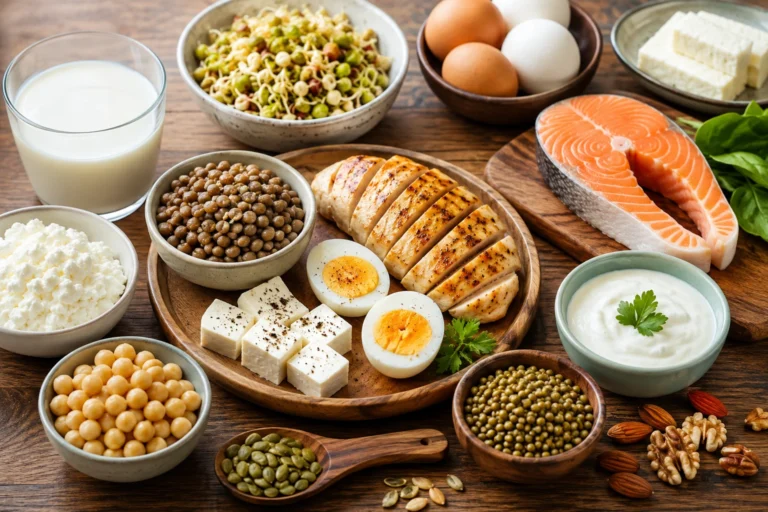
Along with preparing calcium-rich moringa leaf recipes, you can support daily bone health by adding sesame seeds, ragi, and curd to your routine.
- sesame seeds
- ragi
- almonds
- leafy vegetables
- curd
- pulses
- dates
- figs
- seasonal fruits
- homemade meals
The right diet should be selected based on digestion, age, body type, and health condition.
Unani View of Food as Wellness
In Unani wellness, food is not only for filling the stomach. Food is seen as a daily source of nourishment, strength, balance, and prevention.
A suitable diet should support:
- digestion
- energy
- sleep
- immunity
- body strength
- mental calmness
- long-term wellness
Moringa leaves can be a useful part of a balanced food routine when taken in the right quantity and suitable form.
Unani vs Modern View
Modern nutrition looks at moringa leaves in terms of nutrients such as calcium, iron, vitamins, antioxidants, and fiber.
Unani wellness looks at food more personally. It considers the person’s body nature, digestion, strength, season, age, and existing health condition.
Both views are useful.
Modern nutrition helps us understand nutrient value. Unani guidance helps us understand suitability and balance.
Comparison Table
| Factor | Modern Nutrition View | Unani Wellness View |
|---|---|---|
| Main Focus | Nutrient content | Suitability, digestion, and balance |
| Moringa Benefit | Calcium, minerals, antioxidants, fiber | Nourishment, strength, and wellness support |
| Best Use | Added to balanced meals | Used according to body nature and digestion |
| Caution | Avoid excess intake or supplement misuse | Avoid unsuitable use without guidance |
| Ideal Approach | Nutrient-rich diet | Personalized diet and routine |
Recommended Support Options
This article is mainly food-focused, so product recommendations should be kept general.
Pakiza Unani may suggest suitable wellness support only after consultation.
Possible support areas may include:
Digestive Wellness
If a person has weak digestion, acidity, gas, or poor appetite, suitable digestive support may be recommended after consultation.
General Weakness
If a person has tiredness, low energy, or weakness, the doctor may suggest suitable Unani support based on body type and symptoms.
Bone and Women’s Wellness
If calcium deficiency, weakness, or women’s wellness concerns are present, professional evaluation and personalized guidance are important.
Note: Moringa recipes are supportive food options. They are not a substitute for diagnosis, treatment, or prescribed supplements when medically required.
When to Seek Professional Advice
Consult a qualified doctor if you have:
- persistent weakness
- bone pain
- frequent body ache
- unexplained fatigue
- early aging signs with low energy
- digestive problems after eating moringa
- pregnancy or breastfeeding
- diabetes, kidney disease, liver disease, thyroid issues, or blood pressure concerns
- ongoing medicines
- diagnosed calcium or vitamin D deficiency
Professional advice helps avoid wrong diet choices and unnecessary self-treatment.
Why Consultation Is Important Before Taking Herbal or Food Supplements
Many people start taking moringa powder, capsules, or concentrated supplements without understanding whether they are suitable.
Consultation helps understand:
- your digestion
- your body nature
- your health condition
- your current medicines
- suitable quantity
- possible precautions
- whether food form or supplement form is better
This makes the approach safer and more personalized.
Related Articles
- What Is Unani Medicine? A Beginner’s Guide
- What Is Mizaj in Unani Medicine?
- Daily Unani Routine for Better Health and Energy
- Best Unani Herbs for Daily Wellness
- Why Doctor Consultation Is Important Before Taking Herbal Products
- Constant Tiredness and Lethargy: Causes, Symptoms & Natural Support
Frequently Asked Questions
Why are homemade calcium-rich moringa leaf recipes recommended for bone strength?
Moringa leaves are considered nutrient-rich and contain minerals including calcium. They can be included as part of a balanced diet for general wellness.
How often should I prepare calcium-rich moringa leaf recipes for best health results?
Some people may tolerate small amounts regularly, but daily use may not suit everyone. It is better to start moderately and consult a doctor if you have any health condition.
What is the best time of day to consume calcium-rich moringa leaf recipes?
Moringa dal or khichdi can be eaten at lunch or dinner. Moringa chilla can be eaten at breakfast. Moringa soup can be taken in the evening.
Can children eat moringa leaves?
Moringa leaves may be included in family meals in small food amounts, but children should not be given concentrated powders or supplements without professional guidance.
Is moringa good for bones?
Moringa may support nutrition, including mineral intake. Bone health also needs vitamin D, protein, exercise, digestion, and overall balanced diet.
Can moringa cause side effects?
Some people may experience digestive discomfort if they take too much. People with medical conditions or those taking medicines should consult a doctor before regular high intake or supplement use.
Is moringa powder better than fresh leaves?
Fresh leaves are a natural food option. Powder is more concentrated and should be used carefully. Suitability depends on the person’s health and digestion.
Can pregnant women eat moringa leaves?
Pregnant women should consult a qualified doctor before using moringa regularly, especially in supplement or concentrated form.
References & Review Sources
This article is prepared using general wellness knowledge and reviewed for educational accuracy. Reference sources may include traditional Unani wellness understanding, general nutrition references, and public health awareness resources on moringa and balanced diet.
Food and supplement use should always be based on personalized consultation and proper medical guidance.
Medical Review
This article has been reviewed by Pakiza Unani’s in-house Unani doctor for educational accuracy and safe wellness guidance. The content is intended for general health awareness and should not replace personalized medical consultation.
Disclaimer
This article is for educational purposes only. It is not a substitute for medical diagnosis, treatment, or professional healthcare advice. Always consult a qualified healthcare professional before starting any treatment, supplement, or wellness product.