4 Easy Ways to Eat More Protein Without Supplements
Written by: Pakiza Unani Editorial Team
Reviewed by: Pakiza Unani’s In-house Unani Doctor
Last Updated: June 26, 2026
Definition
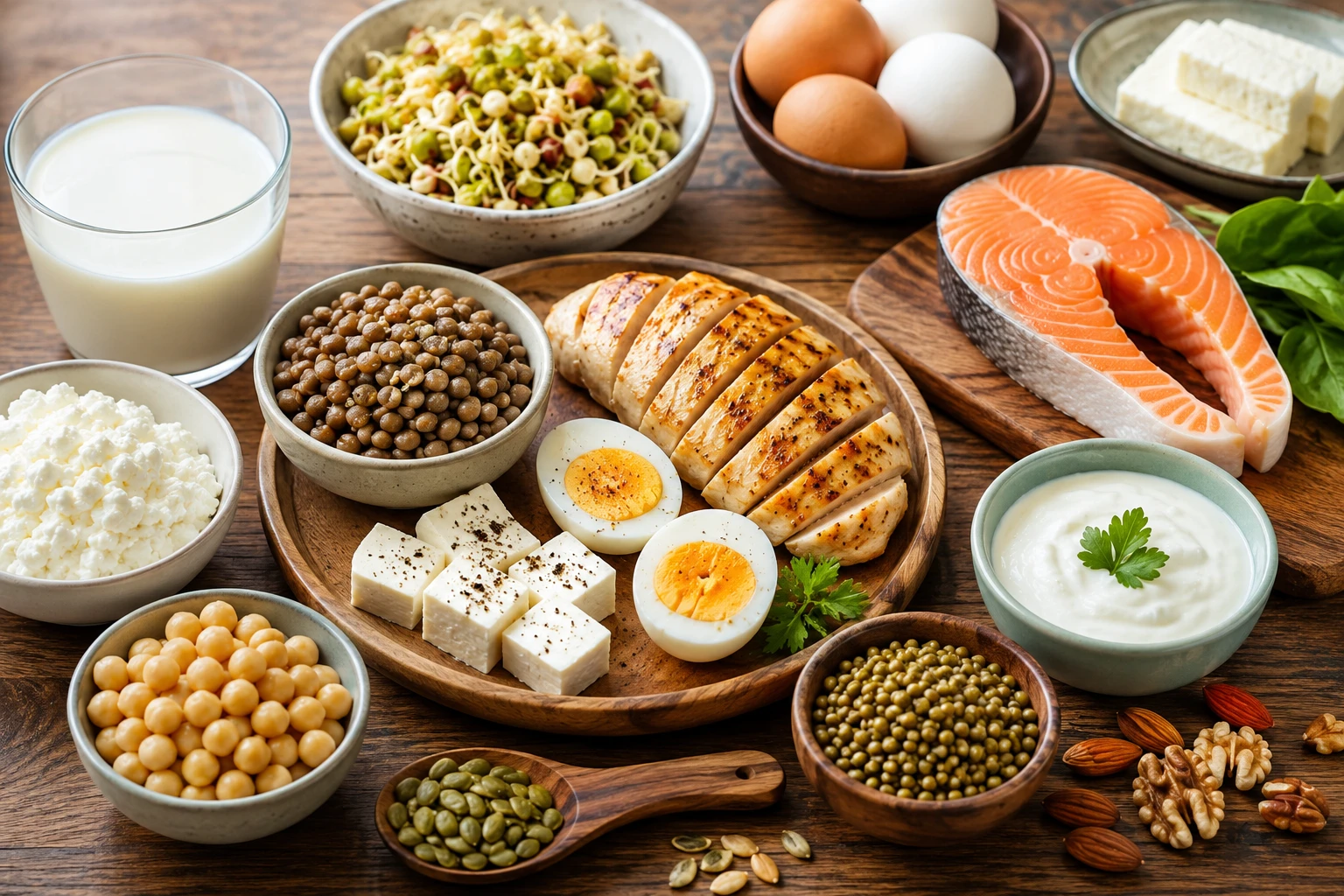
Learning how to eat more protein without supplements is an essential and natural way to improve muscle strength, tissue repair, and daily stamina through nutritious everyday kitchen foods like dal, paneer, curd, eggs, sprouts, and nuts. In traditional wellness, meeting your amino acid needs through wholesome culinary choices strengthens baseline metabolism (Hazm) and nourishes body tissues (Lahm) safely without relying on synthetic powders.
Quick Answer
You can easily eat more protein without supplements by adding whole protein foods to breakfast, replacing packaged snacks with roasted chana or nuts, combining complementary plant proteins like dal-rice, and enriching regular family meals with paneer, sprouts, or eggs.
Expert Summary
Protein is important for strength, recovery, immunity, healthy aging, and daily energy. Many people do not need protein powders if they can improve their food choices consistently. From a Unani wellness perspective, food should match digestion, body nature, routine, age, and health condition. Protein-rich foods are useful, but they should be selected carefully for people with weak digestion, kidney disease, liver disease, diabetes, pregnancy, or chronic health issues. A balanced food-based approach is usually safer and more sustainable than starting supplements without guidance.
Key Takeaways
- Protein is important for strength, repair, immunity, and daily wellness.
- Supplements are not always necessary to improve protein intake.
- Breakfast is a good time to add protein-rich foods.
- Protein-rich snacks can reduce unhealthy cravings.
- Vegetarians can improve protein through dal, sprouts, chana, paneer, curd, soy, nuts, and seeds.
- People with kidney disease or chronic health conditions should consult a doctor before increasing protein intake.
- Clinical research published on NCBI demonstrates that natural whole-food protein supports muscle recovery and metabolic strength without side effects.
Understanding Protein
Protein is one of the key nutrients required by the body. It helps build and repair tissues and supports important body functions. Protein is also important for muscles, skin, hair, enzymes, hormones, and immune health.
Many people focus mostly on carbohydrates such as rice, roti, poha, upma, bread, or biscuits during the day. These foods may provide energy, but they may not always provide enough protein by themselves.
This is why some people feel:
- low energy
- frequent hunger
- weakness
- poor recovery
- muscle loss
- cravings
- tiredness after meals
Adding protein to daily meals may help support better fullness, strength, and overall nourishment.
Free Doctor Consultation
Are you confused about diet, weakness, low energy, digestion, or which foods are suitable for your body?
Pakiza Unani offers free doctor consultation to help users understand their body type, digestion, symptoms, and wellness needs before starting any new diet, supplement, or product routine.
Why Protein Is Important for Daily Wellness
Many people wonder how to eat more protein without supplements when recovering from fatigue, as whole foods provide essential micronutrients alongside clean amino acids.
Protein may support:
- muscle strength
- body repair
- healthy aging
- better satiety
- immune function
- hair and skin health
- recovery from weakness
- balanced meals
- daily energy
A diet low in protein may slowly affect strength and recovery, especially when combined with poor sleep, stress, illness, or irregular food habits.
Do You Need Protein Supplements?
Choosing natural dietary sources allows you to eat more protein without supplements while avoiding synthetic additives and digestive issues.
Many people can improve their protein intake by making small changes in their regular meals. Protein powders may be useful in selected cases, but they should not replace balanced food unless recommended by a qualified professional.
Food-based protein is often better for daily wellness because it also provides:
- vitamins
- minerals
- fiber
- healthy fats
- natural food balance
- better meal satisfaction
The best approach is to first improve regular meals. Supplements should be considered only when there is a genuine need and proper guidance.
4 Easy Ways to Eat More Protein Without Supplements
Below are four practical ways to improve protein intake using normal food.
1. Start Your Day With Protein
Planning your breakfast with moong chilla, paneer, or boiled eggs is the easiest morning strategy to eat more protein without supplements.
Simple Protein-Rich Breakfast Ideas
You can try:
- besan chilla with curd
- moong dal chilla
- egg bhurji with roti
- paneer paratha with curd
- sprouts poha
- dal dosa
- ragi chilla with curd
- vegetable omelette
- curd with nuts and seeds
- boiled eggs with fruit
- tofu or paneer bhurji
Easy Upgrade Examples
If you eat poha, add roasted peanuts, sprouts, or curd.
If you eat paratha, pair it with curd or paneer.
If you eat toast, add eggs, paneer, or peanut chutney.
If you eat upma, add sprouts, peas, or curd on the side.
Best Time
Breakfast is one of the best times to include protein because it sets the tone for the day and may reduce mid-morning cravings.
Wellness Benefit
A protein-rich breakfast may support fullness, energy, focus, and better meal balance.
2. Choose Protein-Rich Snacks Instead of Empty Snacks
Replacing fried namkeens with roasted chana, sprouts, or curd allows you to naturally eat more protein without supplements during busy work hours.
Replacing some snacks with protein-rich options is one of the easiest ways to improve daily protein.
Protein-Rich Snack Ideas
You can choose:
- roasted chana
- boiled chana chaat
- sprouts salad
- curd with roasted cumin
- paneer cubes
- boiled eggs
- peanuts in moderation
- makhana roasted with ghee
- hummus with vegetables
- yogurt with seeds
- moong sprouts with lemon
- peanut chutney with dosa or idli
Indian Snack Plate Example
A simple protein snack plate may include:
- roasted chana
- cucumber slices
- lemon
- black salt
- small bowl of curd
This is simple, affordable, and better than packaged snacks.
Best Time
Protein-rich snacks can be taken between breakfast and lunch or in the evening when hunger appears.
Wellness Benefit
Protein-rich snacks may help reduce cravings, support energy, and prevent overeating during the next meal.
3. Use More Plant-Based Protein in Daily Meals
Combining whole grains with lentils (like khichdi or dal-rice) is a proven method for vegetarians to eat more protein without supplements.
Good Plant-Based Protein Foods
You can include:
- moong dal
- masoor dal
- toor dal
- chana
- rajma
- lobia
- sprouts
- peanuts
- sesame seeds
- flax seeds
- pumpkin seeds
- soy chunks
- tofu
- peas
- whole grains
Easy Indian Meal Combinations
Try these simple combinations:
- dal with rice
- khichdi with curd
- rajma with rice and salad
- chana with roti
- sprouts with curd
- peanut chutney with dosa
- sesame chutney with meals
- soy chunks added to sabzi
- tofu or paneer added to vegetable curry
Why Combination Matters
Plant-based foods may not always provide all amino acids in the same way as animal-based foods. A varied diet with dals, grains, nuts, seeds, and dairy or other suitable foods can help improve overall protein quality.
Best Time
Plant-based protein can be added to lunch and dinner. Light options like sprouts or curd can also be used in snacks.
Wellness Benefit
Plant-based protein may support digestion, strength, fullness, and long-term wellness when used in suitable amounts.
4. Add Protein to Meals You Already Eat
Upgrading regular home-cooked recipes with paneer cubes or sprouts helps the entire family eat more protein without supplements without altering standard cooking habits.
This approach is practical because it does not disturb the family’s regular food pattern.
Simple Meal Upgrades
You can upgrade normal meals like this:
- Add dal to rice meals.
- Add curd with paratha.
- Add paneer to sabzi.
- Add sprouts to poha.
- Add roasted peanuts to upma.
- Add boiled eggs with breakfast.
- Add soy chunks to curry.
- Add chana to salad.
- Add tofu to vegetable stir-fry.
- Add sesame or peanut chutney to meals.
Example: Normal Meal vs Improved Meal
| Normal Meal | Protein Upgrade |
|---|---|
| Poha | Add sprouts, peanuts, and curd |
| Paratha | Add paneer stuffing and curd |
| Rice | Add dal, curd, or chana curry |
| Roti sabzi | Add dal, paneer, tofu, or curd |
| Evening tea | Add roasted chana or sprouts instead of biscuits |
| Khichdi | Add moong dal and curd |
Best Time
This method works for all meals: breakfast, lunch, snacks, and dinner.
Wellness Benefit
Small upgrades can gradually improve daily protein intake without depending on powders, expensive foods, or complicated diet plans.
Vegetarian Protein Options
A balanced vegetarian meal plate with dal, curd, and seeds offers a complete natural blueprint on how to eat more protein without supplements.
Common vegetarian protein foods include:
- dal
- chana
- rajma
- lobia
- sprouts
- paneer
- curd
- milk
- tofu
- soy chunks
- peanuts
- sesame seeds
- almonds
- pumpkin seeds
A simple vegetarian protein plate may include:
- roti
- dal
- curd
- vegetable sabzi
- salad
- roasted seeds or chutney
This type of meal is more balanced than eating only roti and sabzi.
Non-Vegetarian Protein Options
For people who eat non-vegetarian food, protein can be added through:
- eggs
- fish
- chicken
- lean meat
- meat broth where suitable
These foods should be cooked in a healthy way. Avoid making protein meals too oily, fried, or heavy. The method of cooking matters as much as the food itself.
Better options include:
- boiled eggs
- egg curry with less oil
- grilled or home-cooked chicken
- fish curry with moderate spices
- soup or broth
- chicken with dal and salad
People with cholesterol, kidney, liver, or digestive concerns should seek professional guidance before increasing animal protein.
How Much Protein Do You Need?
Understanding your daily requirement helps you plan how to eat more protein without supplements based on your specific age and activity level. They depend on:
- age
- weight
- activity level
- digestion
- health condition
- pregnancy or breastfeeding
- exercise routine
- illness or recovery phase
A young active person may need a different amount than an elderly person, a pregnant woman, or someone with kidney disease.
This is why a personalized approach is better than copying someone else’s diet plan.
Signs You May Not Be Eating Enough Protein
Recognizing early symptoms of fatigue encourages individuals to eat more protein without supplements through wholesome everyday meals.
- frequent hunger
- low energy
- muscle weakness
- slow recovery
- poor hair strength
- weak nails
- tiredness
- low stamina
- craving for snacks
- feeling unsatisfied after meals
These symptoms may also occur due to other health issues, so proper evaluation is important if symptoms continue.
Why Root-Cause Wellness Matters
Low protein intake is not always the only reason behind weakness or low energy. The body also needs good digestion, proper sleep, movement, hydration, minerals, vitamins, and emotional balance.
A root-cause approach asks:
- Is digestion proper?
- Are meals balanced?
- Is sleep sufficient?
- Is stress too high?
- Is there anemia or vitamin deficiency?
- Is there thyroid or diabetes concern?
- Is the person eating enough protein?
- Is the body able to absorb nutrition properly?
This wider approach is important because eating protein alone may not help if digestion and lifestyle are weak.
Important Note
Protein-rich foods are helpful, but excessive protein intake is not suitable for everyone. People with kidney disease, liver disease, high uric acid, pregnancy, diabetes, digestive disorders, or chronic health conditions should consult a qualified doctor before making major diet changes or taking protein supplements.
Talk to a Unani Doctor
If you feel weak, tired, undernourished, or confused about which foods suit your body, proper guidance can help.
Pakiza Unani’s free consultation can help you understand:
- whether your diet has enough protein
- which foods suit your digestion
- whether you need lifestyle correction
- whether weakness is linked to another cause
- whether any Unani wellness support is suitable
- when medical testing may be required
Lifestyle Tips to Support Strength and Protein Use
Adopting healthy daily habits makes it much easier to eat more protein without supplements and improve total nutrient absorption.
Helpful habits include:
- sleep on time
- eat meals regularly
- avoid skipping breakfast
- drink enough water
- include light daily movement
- avoid excessive packaged snacks
- manage stress
- chew food properly
- avoid overeating at night
- take sunlight exposure where suitable
- consult a doctor for long-term weakness
Food works better when digestion, sleep, and routine are balanced.
Diet Support for Better Wellness
Creating a balanced kitchen diet helps your body eat more protein without supplements alongside essential vitamins and dietary fiber.
- fresh vegetables
- seasonal fruits
- whole grains
- pulses and legumes
- curd or milk if suitable
- nuts and seeds in moderation
- healthy fats in small amounts
- enough water
Avoid depending only on one food group. A complete meal supports digestion, energy, immunity, and overall health better than a single protein item.
Unani View of Food and Strength
Classical Unani medicine emphasizes gentle kitchen foods when learning how to eat more protein without supplements according to your digestive temperament (Mizaj).
Unani guidance looks at:
- body nature
- digestive strength
- age
- season
- activity level
- existing health concerns
- suitability of food
Protein-rich foods can support strength, but they should be selected according to the person’s digestion and overall condition.
For example, a person with weak digestion may not tolerate very heavy foods. Such a person may need lighter protein options like moong dal, curd, soup, or soft khichdi before moving to heavier foods.
Unani vs Modern View
Modern nutrition focuses on protein needs, amino acids, muscle repair, calories, and food composition.
Unani wellness focuses on food suitability, digestion, temperament, strength, balance, and daily routine.
Both views are useful.
Modern nutrition helps us understand how protein supports the body. Unani guidance helps us understand which protein foods may suit a person’s body type and digestion.
Comparison Table
| Factor | Modern Nutrition View | Unani Wellness View |
|---|---|---|
| Main Focus | Protein quantity and food sources | Suitability, digestion, and body nature |
| Goal | Support muscles, repair, and body function | Support strength, balance, and wellness |
| Best Approach | Add protein-rich foods to meals | Choose foods based on digestion and temperament |
| Caution | Avoid excess protein in certain conditions | Avoid unsuitable foods without guidance |
| Ideal Use | Balanced diet planning | Personalized food and lifestyle guidance |
Recommended Support Options
This article is mainly food-focused, so product recommendations should be kept general and based on consultation.
Pakiza Unani may suggest suitable wellness support only after understanding the person’s symptoms, digestion, body nature, and health condition.
Possible support areas may include:
General Weakness
If a person has tiredness, weakness, or low stamina, the doctor may suggest suitable Unani wellness support after consultation.
Digestive Wellness
If poor digestion, gas, acidity, or low appetite is affecting nutrition, digestive support may be considered under guidance.
Men’s and Women’s Wellness
If low energy is connected with age, stress, weakness, or specific wellness concerns, personalized guidance is important.
Note: Food should remain the foundation. Products or supplements should be used only when suitable and recommended.
When to Seek Professional Advice
Consult a qualified doctor if you have:
- persistent weakness
- unexplained weight loss
- low appetite
- frequent fatigue
- poor digestion
- muscle loss
- hair fall with weakness
- kidney disease
- liver disease
- high uric acid
- diabetes
- pregnancy or breastfeeding
- ongoing medicines
- confusion about protein supplements
Professional advice helps avoid wrong diet choices and unnecessary self-treatment.
Why Consultation Is Important Before Taking Protein Supplements
Many people start protein powders after seeing advertisements, gym advice, or online videos. But supplements are not suitable for everyone.
Consultation helps understand:
- whether you really need a supplement
- whether your diet can be improved first
- whether your digestion can tolerate it
- whether you have kidney or liver concerns
- what quantity may be suitable
- whether food-based protein is enough
- whether another health issue is causing weakness
This makes the approach safer and more personalized.
Related Articles
- What Is Unani Medicine? A Beginner’s Guide
- What Is Mizaj in Unani Medicine?
- Daily Unani Routine for Better Health and Energy
- Constant Tiredness and Lethargy: Causes, Symptoms & Natural Support
- Why Doctor Consultation Is Important Before Taking Herbal Products
- 5 Calcium-Rich Moringa Leaf Recipes: How to Make Them and When to Eat
Frequently Asked Questions
How can I eat more protein without supplements on a daily basis?
You can easily eat more protein without supplements by including lentils, curd, paneer, sprouts, and nuts in your standard daily meals.
What is the easiest way to eat more protein?
The easiest way is to add protein to meals you already eat, such as curd with paratha, sprouts in poha, dal with rice, paneer in sabzi, or roasted chana as a snack.
Is protein powder necessary?
Protein powder is not necessary for everyone. Food-based protein should usually be improved first. Supplements should be used only when needed and under proper guidance.
What are good vegetarian protein foods?
Good vegetarian protein foods include dal, chana, rajma, sprouts, paneer, curd, tofu, soy chunks, peanuts, sesame seeds, and pumpkin seeds.
Can too much protein be harmful?
Excessive protein may not be suitable for people with kidney disease, liver disease, high uric acid, or certain chronic conditions. Such people should consult a doctor before increasing protein intake.
What is a good protein-rich Indian breakfast?
Besan chilla, moong dal chilla, paneer paratha with curd, eggs, sprouts poha, dal dosa, and ragi chilla with curd are good options.
Can protein help with weakness?
Protein may support strength and recovery, but weakness can also be due to anemia, thyroid issues, diabetes, poor sleep, stress, vitamin deficiency, or other causes. Persistent weakness should be evaluated.
Should elderly people eat more protein?
Older adults may need enough protein to support strength and healthy aging, but the right amount depends on digestion, kidney health, appetite, and medical condition. Professional guidance is recommended.
References & Review Sources
This article is prepared using general wellness knowledge and reviewed for educational accuracy. Reference sources may include general nutrition guidance, public health resources on protein, and traditional Unani wellness understanding.
Diet changes, supplement use, and product usage should always be based on personalized consultation and proper medical guidance.
Medical Review
This article has been reviewed by Pakiza Unani’s in-house Unani doctor for educational accuracy and safe wellness guidance. The content is intended for general health awareness and should not replace personalized medical consultation.
Disclaimer
This article is for educational purposes only. It is not a substitute for medical diagnosis, treatment, or professional healthcare advice. Always consult a qualified healthcare professional before starting any treatment, supplement, diet change, or wellness product.