
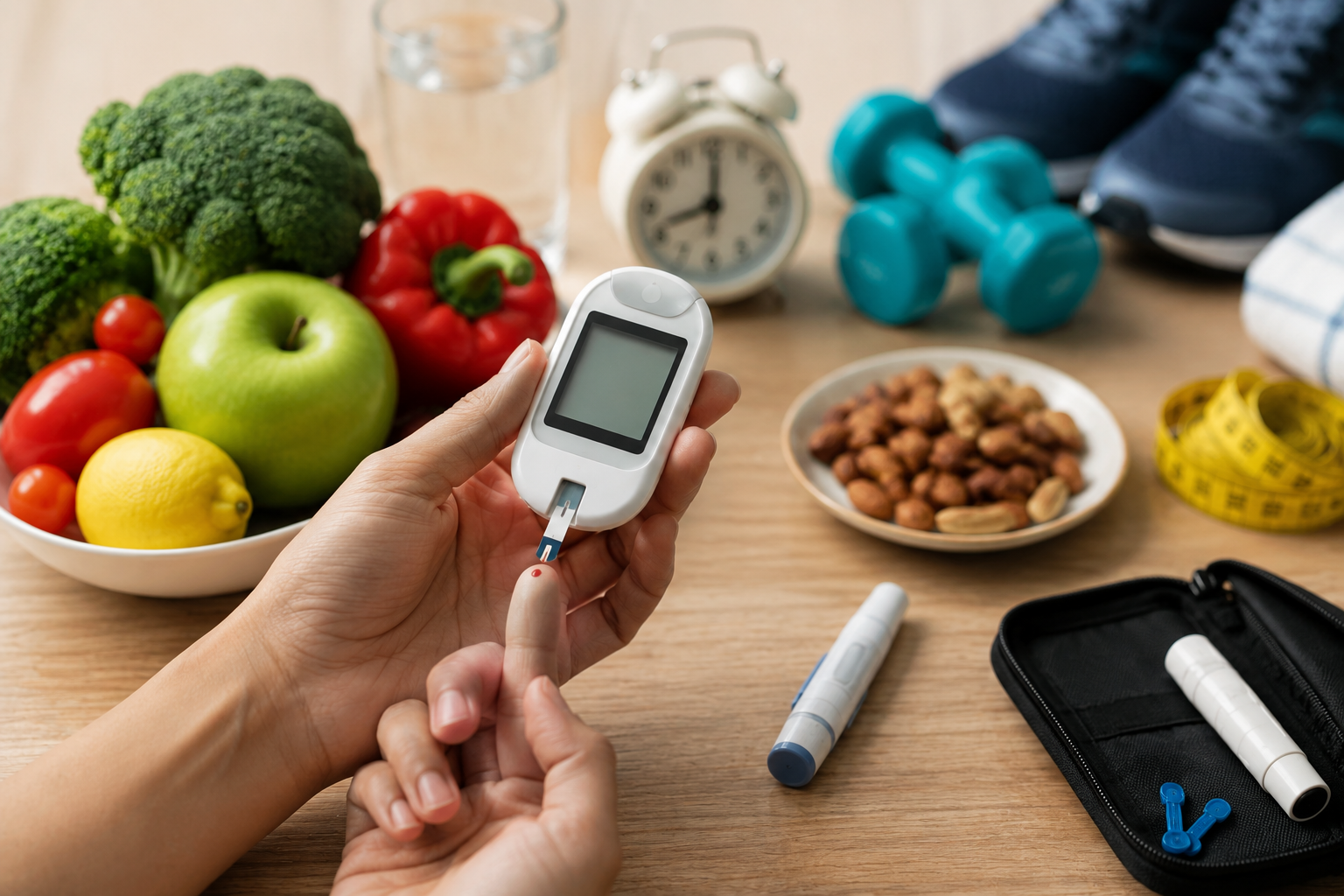
Diabetes Mellitus: Causes, Symptoms & Prevention
Written by: Pakiza Unani Editorial Team
Reviewed by: Pakiza Unani’s In-house Unani Doctor
Last Updated: August 1, 2026
Definition
Diabetes mellitus is a long-term health condition in which blood sugar remains higher than normal because the body does not produce enough insulin or cannot use insulin properly. Insulin helps move sugar from the blood into the body’s cells for energy.
Quick Answer
Diabetes mellitus may develop due to insulin resistance, family history, excess body weight, poor diet, low physical activity, stress, poor sleep, pregnancy-related changes, or other health concerns. Common symptoms may include frequent urination, increased thirst, tiredness, blurred vision, slow wound healing, unexplained weight changes, and tingling or numbness in the feet. Type 2 diabetes may often be prevented or delayed with healthy food habits, regular activity, weight management, sleep, stress control, and regular blood sugar testing.
Expert Summary
Diabetes is not only a sugar problem. It is linked with metabolism, body weight, food habits, sleep, stress, activity level, digestion, and family history. If uncontrolled, diabetes may affect the heart, kidneys, eyes, nerves, skin, wounds, immunity, and overall energy.
From a Unani wellness perspective, diabetes-related concerns should be understood through digestion, body nature, lifestyle, food suitability, sleep, stress, and overall balance. Unani support may help with general wellness and lifestyle correction, but diabetes always needs proper testing, monitoring, and doctor-guided care.
Key Takeaways
- Diabetes mellitus means high blood sugar due to insulin-related problems.
- Main types include type 1 diabetes, type 2 diabetes, gestational diabetes, and prediabetes.
- Type 2 diabetes is commonly linked with lifestyle, weight, family history, and insulin resistance.
- Symptoms may include thirst, frequent urination, tiredness, blurred vision, slow healing, and weight changes.
- Some people may have diabetes without clear symptoms.
- Type 2 diabetes may often be prevented or delayed with healthy lifestyle habits.
- Diabetes should not be managed only with home remedies or herbal products.
- Regular blood sugar testing and doctor consultation are important.
Understanding Diabetes Mellitus
After we eat food, the body breaks carbohydrates into glucose. This glucose enters the blood and is used by the body for energy. Insulin helps move glucose from the blood into the cells.
In diabetes, this process does not work properly. Either the body does not make enough insulin, or the body cannot use insulin effectively. As a result, blood sugar remains high.
Over time, high blood sugar may damage blood vessels, nerves, eyes, kidneys, heart, skin, and other organs. This is why early diagnosis and long-term care are very important.
Free Doctor Consultation
Are you experiencing tiredness, frequent urination, increased thirst, weight changes, slow wound healing, weakness, or confusion about your sugar levels?
Pakiza Unani offers free doctor consultation to help users understand their symptoms, body nature, lifestyle, digestion, and wellness needs before starting any home remedy, Unani product, supplement, or diet change.
Types of Diabetes Mellitus
1. Type 1 Diabetes
Type 1 diabetes happens when the body produces very little or no insulin. It is often linked with an autoimmune process and can occur in children, teenagers, young adults, or adults.
People with type 1 diabetes usually need insulin and regular medical care. It cannot be prevented through lifestyle changes alone.
2. Type 2 Diabetes
Type 2 diabetes is the most common type. It usually happens when the body becomes resistant to insulin or does not produce enough insulin.
It may be linked with:
- family history
- excess body weight
- low physical activity
- unhealthy diet
- stress
- poor sleep
- high blood pressure
- abnormal cholesterol
- history of gestational diabetes
Type 2 diabetes may develop slowly, and symptoms may not appear clearly in the beginning.
3. Gestational Diabetes
Gestational diabetes develops during pregnancy. It needs proper medical guidance to protect both mother and baby. It may also increase the risk of type 2 diabetes later in life.
4. Prediabetes
Prediabetes means blood sugar is higher than normal but not high enough to be diagnosed as diabetes. This stage is important because lifestyle changes may help prevent or delay type 2 diabetes.
Common Causes and Risk Factors
Diabetes may develop due to different causes depending on the type. Common risk factors include:
- insulin resistance
- family history
- excess body weight
- belly fat
- poor diet
- frequent sugary foods and drinks
- low physical activity
- stress
- poor sleep
- high blood pressure
- abnormal cholesterol
- fatty liver
- pregnancy-related changes
- age and sedentary lifestyle
Having risk factors does not mean diabetes is guaranteed, but it does mean regular screening and healthy lifestyle habits are important.
Common Symptoms of Diabetes Mellitus
Diabetes symptoms may develop slowly. Some people may not notice symptoms in the early stage.
Common symptoms may include:
- frequent urination
- increased thirst
- increased hunger
- tiredness
- weakness
- blurred vision
- slow wound healing
- repeated infections
- unexplained weight loss
- unexplained weight gain in some cases
- dry mouth
- itchy skin
- tingling or numbness in hands or feet
- low energy
- dark skin patches around neck or underarms in insulin resistance
If these symptoms continue, blood sugar testing is important.
Symptoms That Need Quick Medical Attention
Seek medical advice urgently if you notice:
- extreme thirst
- frequent vomiting
- confusion
- severe weakness
- sudden weight loss
- very high blood sugar reading
- breathing difficulty
- severe dehydration
- unconsciousness
- chest pain
- wound infection
- severe foot pain or swelling
These signs may need immediate medical evaluation.
Why Diabetes Should Not Be Ignored
Uncontrolled diabetes may increase the risk of:
- heart disease
- stroke
- kidney disease
- nerve damage
- eye problems
- foot wounds
- slow healing
- infections
- gum problems
- skin problems
- sexual health concerns
- fatigue and weakness
With proper diagnosis, regular monitoring, medicine when needed, healthy diet, physical activity, and lifestyle management, many complications can be reduced.
How Diabetes Is Diagnosed
Diabetes is diagnosed through blood tests. A doctor may recommend:
- fasting blood sugar
- post-meal blood sugar
- HbA1c
- random blood sugar
- oral glucose tolerance test
- urine test in selected cases
- kidney function tests
- cholesterol tests
- eye checkup
- foot examination
Do not depend only on symptoms. Testing is the correct way to confirm diabetes or prediabetes.
Can Diabetes Be Prevented?
Type 1 diabetes cannot currently be prevented through lifestyle changes.
However, type 2 diabetes may often be prevented or delayed, especially when risk is identified early.
Helpful prevention habits include:
- eating balanced meals
- walking or exercising regularly
- maintaining healthy weight
- reducing sugary drinks
- limiting refined flour and packaged snacks
- sleeping on time
- managing stress
- avoiding smoking
- checking blood sugar if at risk
- consulting a doctor when symptoms appear
Prevention is not about fear. It is about daily discipline.
Diet Tips for Diabetes Prevention
A diabetes-prevention diet should focus on balance, not extreme restriction.
A healthier plate may include:
- vegetables
- dal or protein source
- roti, rice, or millet in suitable portion
- curd or buttermilk if suitable
- salad in moderate quantity
- healthy fats in small quantity
Try to avoid meals made only of rice, roti, poha, bread, or refined carbohydrates. Add protein, vegetables, and fiber for better balance.
Foods That May Support Prevention
Helpful foods may include:
- dal and legumes
- sprouts
- vegetables
- leafy greens
- curd if suitable
- nuts and seeds in moderation
- whole grains
- fruits in suitable portions
- protein-rich foods
- home-cooked meals
- enough water
Foods and Habits to Limit
Try to limit frequent intake of:
- sugary drinks
- sweets
- biscuits
- cakes and pastries
- white bread
- refined flour snacks
- deep-fried foods
- packaged chips
- instant noodles
- fast food
- late-night heavy meals
- long sitting without movement
Occasional intake is different from daily habit. The main concern is repeated unhealthy eating.
Diabetes and Immunity
Diabetes and immunity are connected because high blood sugar may affect healing and recovery. People with uncontrolled diabetes may experience slow wound healing, repeated infections, gum problems, skin infections, urinary infections, tiredness, and delayed recovery.
Better blood sugar control, hygiene, nutrition, sleep, and doctor-guided care can support overall immune function.
How Unani Medicine Approaches Diabetes Wellness
In Unani wellness, diabetes-related concerns may be understood through digestion, metabolism, body temperament, food habits, sleep, stress, physical strength, and daily routine.
A Unani doctor may consider:
- digestion
- appetite
- thirst
- urination pattern
- body weight
- sleep
- stress
- food habits
- energy level
- body nature
- existing diagnosis
- current medicines
- warning signs or complications
The aim is to support overall balance and wellness while respecting the need for proper medical testing and treatment.
Important Safety Note
Unani support should not replace diabetes medicines, insulin, blood sugar monitoring, or doctor-prescribed treatment. Any herbal or Unani product should be used only after consultation, especially if the person is already taking diabetes medicine.
Why Root-Cause Wellness Matters
Diabetes management should not focus only on sugar numbers. A root-cause approach looks at the full lifestyle pattern.
It asks:
- Is the person eating balanced meals?
- Is physical activity low?
- Is there excess belly fat?
- Is sleep disturbed?
- Is stress high?
- Is digestion weak?
- Is there family history?
- Are medicines being taken correctly?
- Is blood sugar being monitored?
- Are there early signs of complications?
This approach helps create a practical and long-term wellness plan.
Talk to a Unani Doctor
If you are confused about diabetes prevention, prediabetes, food choices, weakness, tiredness, digestion, weight changes, or suitable Unani support, proper guidance can help.
Pakiza Unani’s free consultation can help you understand:
- whether your symptoms need blood sugar testing
- which foods may suit your body type
- whether your lifestyle needs correction
- whether digestion and weight need support
- whether Unani support is suitable
- what precautions should be followed
- when medical evaluation is needed
Lifestyle Support for Diabetes Prevention
Helpful lifestyle habits may include:
- walk regularly
- avoid sitting for long hours
- sleep on time
- eat meals at regular times
- reduce sugary drinks
- avoid daily fried snacks
- manage stress
- drink enough water
- maintain healthy weight
- avoid smoking
- monitor blood sugar if at risk
- consult a doctor for symptoms
Small consistent steps are better than short-term extreme changes.
Diabetes Prevention: Unani vs Modern View
Modern healthcare focuses on blood sugar testing, HbA1c, insulin function, weight, diet, exercise, medicines, and complication screening.
Unani wellness focuses on digestion, temperament, balance, daily routine, food suitability, strength, sleep, stress, and prevention.
Both views can be useful when used responsibly.
Comparison Table
| Factor | Modern Healthcare View | Unani Wellness View |
|---|---|---|
| Main Focus | Blood sugar, insulin, diagnosis, complications | Digestion, temperament, lifestyle, and balance |
| Diagnosis | Blood tests such as fasting sugar and HbA1c | Consultation and symptom-pattern understanding |
| Prevention | Diet, exercise, weight control, screening | Suitable food, routine, digestion, and lifestyle balance |
| Treatment | Medicines, insulin, monitoring when required | Supportive wellness under guidance |
| Safety | Regular medical monitoring | Avoid unsuitable self-use of remedies |
| Best Approach | Doctor-guided diabetes care | Personalized wellness support with medical care |
Recommended Support Options
This article is mainly for diabetes awareness and prevention, so product recommendations should be based only on consultation.
Pakiza Unani may suggest suitable wellness support only after understanding blood sugar status, current medicines, digestion, body nature, weight, energy level, sleep, stress, existing health conditions, and doctor’s advice.
Possible support areas may include:
Digestive Wellness
If poor digestion, heaviness, acidity, constipation, or irregular appetite is present, suitable digestive support may be considered after consultation.
General Weakness
If tiredness, low stamina, or weakness is present, a personalized wellness plan may help after evaluating blood sugar and other causes.
Lifestyle and Diet Guidance
If a person is at risk of diabetes, food timing, portion control, movement, sleep, and stress correction may be suggested.
Note: Diabetes medicines, insulin, blood sugar monitoring, and doctor-prescribed treatment should never be stopped or replaced with Unani products without medical advice.
When to Seek Professional Advice
Consult a qualified doctor if you have:
- frequent urination
- excessive thirst
- unexplained weight loss
- extreme hunger
- blurred vision
- slow wound healing
- repeated infections
- tingling or numbness in feet
- persistent tiredness
- high blood sugar reading
- family history of diabetes
- history of gestational diabetes
- pregnancy
- kidney disease
- heart disease
- liver disease
- foot wounds
- ongoing medicines
- confusion about herbal remedies or supplements
Early guidance can help reduce the risk of complications.
Why Consultation Is Important Before Taking Diabetes Supplements
Many people start herbal products, sugar-control powders, juices, or supplements after seeing online advertisements. This can be risky.
Consultation helps understand:
- whether diabetes is present
- whether testing is needed
- whether medicine is required
- whether current medicines may interact
- whether a product is suitable
- whether lifestyle correction is enough
- whether there are complications
- what diet is safe
- when follow-up testing is needed
This makes the approach safer and more personalized.
Related Articles
- What Is Unani Medicine? A Beginner’s Guide
- What Is Mizaj in Unani Medicine?
- Constant Tiredness and Lethargy: Causes, Symptoms & Natural Support
- 4 Easy Ways to Eat More Protein Without Supplements
- Thyroid-Supportive Diet: 4 Foods to Include and 3 Foods to Limit
- 5 Foods That May Make You Age Faster: What to Limit and What to Eat Instead
Frequently Asked Questions
What is diabetes mellitus?
Diabetes mellitus is a long-term condition where blood sugar remains higher than normal because the body does not produce enough insulin or cannot use insulin properly.
What are the common symptoms of diabetes?
Common symptoms may include frequent urination, increased thirst, tiredness, blurred vision, slow wound healing, hunger, weight changes, and tingling or numbness in the feet.
What causes diabetes?
Diabetes may be caused by insulin resistance, lack of insulin production, family history, excess body weight, low physical activity, poor diet, stress, poor sleep, pregnancy-related changes, or other health conditions.
Can diabetes be prevented?
Type 1 diabetes cannot currently be prevented through lifestyle changes. Type 2 diabetes may often be prevented or delayed with healthy eating, regular physical activity, weight management, sleep, stress control, and regular screening.
Is eating sugar the only cause of diabetes?
No. Sugar intake is only one part of the picture. Diabetes risk may also be linked with insulin resistance, weight, family history, inactivity, poor sleep, stress, age, and overall lifestyle.
Can Unani medicine cure diabetes?
Diabetes should not be promoted with guaranteed cure claims. Unani wellness may support lifestyle, digestion, and overall balance under guidance, but diabetes requires proper testing, monitoring, and medical care.
Should I stop diabetes medicine if I follow diet and exercise?
No. Do not stop or change diabetes medicine without consulting your doctor. Diet and exercise can support diabetes management but should not replace prescribed treatment unless your doctor advises.
Who should get tested for diabetes?
People with symptoms, family history, excess weight, high blood pressure, abnormal cholesterol, history of gestational diabetes, pregnancy, or sedentary lifestyle should discuss testing with a qualified doctor.
References & Review Sources
This article is prepared using general health education, diabetes awareness guidance, preventive wellness principles, and traditional Unani wellness understanding.
Reference sources may include public health guidance from WHO, CDC, NIDDK, diabetes education resources, and Unani wellness principles related to digestion, temperament, routine, prevention, and lifestyle balance.
Diabetes diagnosis, medicines, insulin, supplements, herbal products, diet changes, and treatment plans should always be managed with personalized medical consultation.
Medical Review
This article has been reviewed by Pakiza Unani’s in-house Unani doctor for educational accuracy and safe wellness guidance. The content is intended for general awareness and should not replace personalized medical consultation, diabetes testing, or prescribed treatment.
Disclaimer
This article is for educational purposes only. It is not a substitute for medical diagnosis, diabetes testing, prescription medicine, insulin, emergency care, or professional healthcare advice. Always consult a qualified healthcare professional before starting any treatment, supplement, diet change, home remedy, herbal remedy, or Unani product.