Thyroid-Supportive Diet: 4 Foods to Include and 3 Foods to Limit
Written by: Pakiza Unani Editorial Team
Reviewed by: Pakiza Unani’s In-house Unani Doctor
Last Updated: July 09, 2026
Definition
A thyroid diet is a balanced eating approach that provides important nutrients such as iodine, selenium, protein, fiber, vitamins, and minerals to support thyroid function and overall wellness. The thyroid is a small butterfly-shaped gland in the neck that produces hormones involved in metabolism, energy, body temperature, heart function, digestion, and other important body processes.
Quick Answer
A thyroid-supportive diet may include iodine-rich foods in safe amounts, selenium-rich foods, protein-rich foods, and fiber-rich fruits, vegetables, and whole grains. Foods and habits to limit include ultra-processed foods, excess sugar and fried snacks, very large amounts of raw cruciferous vegetables, and poor timing of soy, coffee, calcium, iron, or high-fiber foods around thyroid medicine. Diet can support thyroid wellness, but it cannot replace thyroid testing, doctor guidance, or prescribed medicine.
Expert Summary
Thyroid health depends on many factors, including iodine, selenium, zinc, iron, protein, sleep, stress, gut health, medicine timing, and existing thyroid conditions. Some foods may support thyroid function, while others may affect metabolism, weight, digestion, or medicine absorption when taken incorrectly. From a Unani wellness perspective, thyroid-related symptoms should be understood through digestion, body nature, energy, sleep, emotional balance, lifestyle, and suitable food choices. People with hypothyroidism, hyperthyroidism, thyroid nodules, pregnancy, diabetes, kidney disease, liver disease, or ongoing medicines should follow personalized medical guidance.
Key Takeaways
- Food can support thyroid wellness, but it cannot cure thyroid disease.
- Iodine is important for thyroid hormone production, but excess iodine may also be harmful.
- Selenium supports thyroid hormone metabolism and antioxidant protection.
- Protein supports strength, metabolism, and weight balance.
- Processed foods, excess sugar, and fried snacks may worsen fatigue, weight gain, and poor digestion.
- Very large amounts of raw cruciferous vegetables may not suit everyone with thyroid concerns.
- Thyroid medicine should be taken exactly as advised and away from foods or supplements that may affect absorption.
Understanding Thyroid Health
The thyroid gland produces hormones that help control metabolism and energy use in the body. When thyroid hormones are low or high, many body functions may be affected.
In low thyroid function, also known as hypothyroidism, a person may notice:
- tiredness
- weight gain
- constipation
- dry skin
- hair fall
- cold sensitivity
- low mood
- heavy periods
- puffiness
- low energy
In overactive thyroid function, also known as hyperthyroidism, a person may notice:
- weight loss
- fast heartbeat
- sweating
- anxiety
- loose motions
- trembling hands
- heat sensitivity
- sleep disturbance
- weakness
- irregular periods
These symptoms can happen due to many reasons. Proper thyroid testing and medical evaluation are important.
Food can support thyroid wellness, but it should not be used as the only solution.
Free Doctor Consultation
Are you facing tiredness, weight changes, hair fall, constipation, low energy, menstrual changes, or thyroid-related concerns?
Pakiza Unani offers free doctor consultation to help users understand their digestion, body type, symptoms, lifestyle, and wellness needs before starting any home remedy, diet change, Unani product, or supplement.
Can Food Cure Thyroid Problems?
No. Food cannot cure thyroid disease by itself.
A balanced diet may support:
- energy
- metabolism
- digestion
- weight balance
- nutrient intake
- gut health
- medicine routine
- general wellness
But thyroid conditions such as hypothyroidism, hyperthyroidism, Hashimoto’s thyroiditis, Graves’ disease, thyroid nodules, and goiter need proper diagnosis and monitoring.
If you are taking thyroid medicine, do not stop, skip, or change the dose without consulting your doctor.
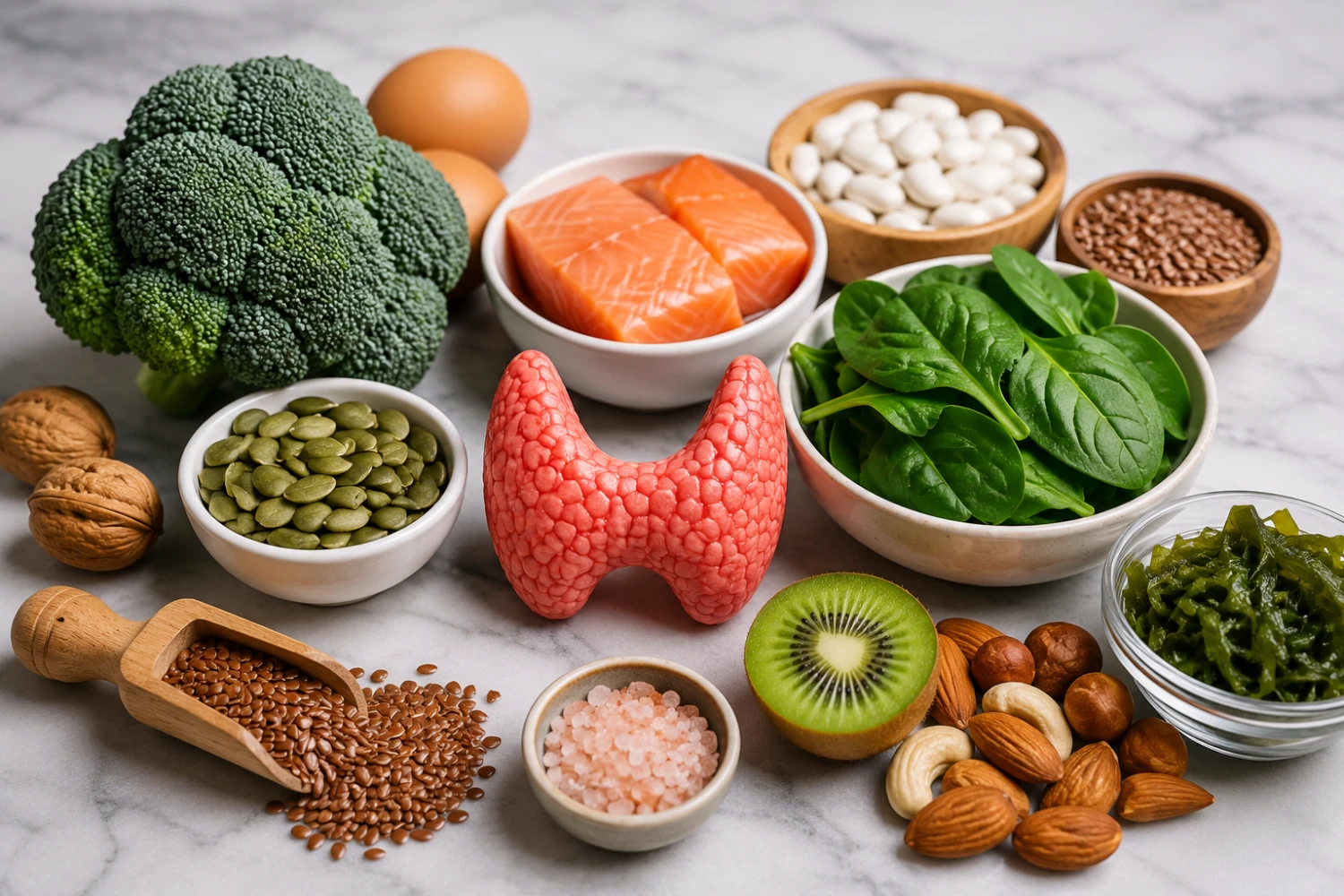
4 Foods That May Support Thyroid Health
Below are four food groups that may support thyroid wellness when taken in suitable amounts as part of a balanced diet.
1. Iodine-Rich Foods in Safe Amounts
Iodine is an important nutrient for thyroid hormone production. The thyroid gland uses iodine to make thyroid hormones.
Good Sources of Iodine
Depending on diet preference and medical suitability, iodine may come from:
- iodized salt
- milk
- curd
- eggs
- fish
- seafood
- some grains
- some dairy foods
For many Indian families, iodized salt is the most common iodine source.
Why It May Help
Iodine supports thyroid hormone production. If iodine intake is too low, thyroid function may be affected in some people.
Important Caution
More iodine is not always better. Excess iodine may worsen thyroid problems in some people, especially those with autoimmune thyroid disease or hyperthyroidism.
Do not start iodine drops, seaweed tablets, kelp supplements, or high-dose iodine supplements without medical advice.
Practical Tip
Use iodized salt in normal cooking amounts, but do not increase salt intake just for iodine. People with high blood pressure, kidney disease, or heart disease should follow their doctor’s salt advice.
2. Selenium-Rich Foods
Selenium is a trace mineral linked with thyroid hormone metabolism and antioxidant protection.
Good Sources of Selenium
Selenium may be found in:
- nuts and seeds
- sunflower seeds
- sesame seeds
- whole grains
- eggs
- fish
- chicken
- lentils and legumes
- some dairy foods
Brazil nuts are often mentioned for selenium, but they are very high in selenium and should not be eaten in excess.
Why It May Help
Selenium supports enzymes involved in thyroid hormone metabolism. It also helps protect cells from oxidative stress.
Important Caution
Too much selenium can be harmful. Do not take selenium supplements unless recommended by a qualified doctor.
Practical Tip
Use a balanced diet with nuts, seeds, whole grains, and protein foods instead of depending on high-dose supplements.
3. Protein-Rich Foods
Protein is important for strength, muscle health, metabolism, satiety, and recovery. Many people with thyroid concerns also struggle with tiredness, weakness, or weight changes.
Good Protein Options
Depending on diet preference, protein may come from:
- dal
- chana
- rajma
- sprouts
- paneer
- curd
- eggs
- fish
- chicken
- tofu if suitable
- nuts and seeds in moderation
Why It May Help
Protein supports:
- muscle strength
- better fullness
- metabolism
- recovery
- energy balance
- healthy weight management
People with hypothyroidism may experience weight gain or low energy, so balanced protein intake may help improve meal quality and reduce overeating.
Practical Tip
Try to include a protein source in every main meal. For example, roti with dal, rice with curd and sabzi, eggs with breakfast, or sprouts with lunch.
4. Fruits, Cooked Vegetables, and Whole Grains
Thyroid wellness is not only about iodine and selenium. The body also needs fiber, vitamins, minerals, antioxidants, and steady energy.
Helpful Foods
A balanced thyroid-supportive plate may include:
- seasonal fruits
- leafy greens
- cooked vegetables
- whole wheat
- oats
- millets if suitable
- brown rice in moderation
- dal
- legumes
- nuts and seeds
- curd if suitable
Why They May Help
Fresh and fiber-rich foods may support:
- digestion
- gut health
- bowel movement
- energy
- antioxidant intake
- weight balance
- blood sugar balance
- overall wellness
Practical Tip
If you have constipation with hypothyroidism, improving fiber and water intake may help. Increase fiber gradually and keep thyroid medicine timing separate if advised by your doctor.
3 Foods and Habits to Limit for Thyroid Wellness
The goal is not fear or extreme restriction. The goal is moderation, better quality, and correct timing.
1. Ultra-Processed Foods, Excess Sugar, and Fried Snacks
Ultra-processed foods and sugary snacks may not directly cause thyroid disease, but they may worsen weight gain, poor digestion, fatigue, cravings, and metabolic imbalance.
Limit These Foods
Try to reduce frequent intake of:
- packaged chips
- instant noodles
- sugary drinks
- biscuits
- cakes
- pastries
- fried namkeen
- samosa and kachori
- fast food
- sugary cereals
- packaged sweets
- deep-fried snacks
Why They May Affect Thyroid Wellness
These foods may contribute to:
- weight gain
- poor digestion
- low energy
- blood sugar imbalance
- inflammation
- constipation
- cravings
- poor nutrient intake
People with thyroid concerns often need better energy balance and nutrient-dense meals.
Better Options
Choose:
- roasted chana
- fruit with nuts
- homemade poha
- dal chilla
- sprouts chaat
- vegetable soup
- curd if suitable
- lightly roasted makhana
- home-cooked meals
2. Very Large Amounts of Raw Cruciferous Vegetables
Cruciferous vegetables include cabbage, cauliflower, broccoli, kale, Brussels sprouts, radish, and turnip.
These vegetables are healthy for many people. They contain fiber, vitamins, and plant compounds. The concern is mainly with very large raw intake, especially in people with iodine deficiency or existing thyroid concerns.
Important Point
You usually do not need to completely avoid these vegetables.
The concern is mainly with:
- very large raw intake
- daily raw cabbage or kale smoothies
- iodine deficiency
- existing hypothyroidism without guidance
- extreme restrictive diets
Better Approach
Use these vegetables:
- cooked
- in moderate quantity
- as part of a balanced meal
- with enough iodine intake
- according to doctor advice
Practical Tip
Cooked cabbage, cauliflower, and broccoli in normal food amounts are usually more practical than excessive raw intake.
3. Poor Timing of Soy, Coffee, Calcium, Iron, and High-Fiber Foods Around Thyroid Medicine
Some foods and supplements may affect thyroid medicine absorption when taken too close to the medicine.
This is especially important for people taking levothyroxine or other thyroid hormone replacement.
Be Careful With Timing
Ask your doctor about timing for:
- soy foods
- coffee
- calcium supplements
- iron supplements
- antacids
- high-fiber meals
- multivitamins
- certain cholesterol medicines
Why Timing Matters
If thyroid medicine is not absorbed properly, thyroid levels may become difficult to control.
Practical Tip
Take thyroid medicine exactly as prescribed. Many people are advised to take it in the morning on an empty stomach with water and keep a proper gap before food, tea, coffee, calcium, or iron. Follow your doctor’s specific advice.
Foods That Often Confuse Thyroid Patients
Many people become afraid of normal foods after reading online posts. Here is a balanced view.
Is Soy Bad for Thyroid?
Soy does not need to be avoided by everyone. The bigger concern is timing if you take thyroid medicine.
Soy may affect thyroid medicine absorption if taken too close to thyroid tablets.
Better Approach
If you eat tofu, soy milk, soy chunks, or other soy foods, keep proper timing away from thyroid medicine and follow doctor guidance.
Is Cabbage Bad for Thyroid?
Cabbage is not automatically bad. The issue is excessive raw intake, especially if iodine intake is low.
Better Approach
Eat cabbage cooked and in moderate amounts as part of a balanced diet.
Is Gluten Bad for Thyroid?
Not everyone with thyroid disease needs to avoid gluten.
People with celiac disease, gluten sensitivity, or certain autoimmune conditions may need evaluation. Do not remove gluten completely without understanding your health condition.
Better Approach
Choose whole grains and avoid excess refined flour. If gluten causes symptoms, consult a qualified doctor.
Is Iodized Salt Good for Thyroid?
Iodized salt helps provide iodine, which is important for thyroid hormone production. However, excess salt can affect blood pressure and heart health.
Better Approach
Use iodized salt in normal cooking amounts. Do not increase salt intake unnecessarily.
Is Tea or Coffee Bad for Thyroid?
Tea and coffee are not always bad, but they should not be taken immediately with thyroid medicine.
Better Approach
Keep a gap between thyroid medicine and tea or coffee as advised by your doctor.
imple Indian Plate for a Thyroid Diet
A balanced Indian meal for thyroid wellness may look like:
- one portion dal, chana, egg, paneer, fish, or chicken
- one portion cooked vegetables
- one portion roti, rice, or millet depending on suitability
- curd or buttermilk if suitable
- salad in moderate quantity
- healthy fats in small quantity
- enough water
The goal is not strict dieting. The goal is balance.
Sample One-Day Thyroid-Supportive Meal Idea
Morning
Plain water after waking.
If you take thyroid medicine, take it exactly as advised by your doctor and keep the required gap before food or drinks.
Breakfast
Besan chilla with curd, vegetable poha with peanuts, oats with nuts, or eggs with whole wheat toast.
Mid-Morning
Seasonal fruit such as apple, guava, orange, papaya, or pomegranate.
Lunch
Roti or rice with dal, cooked sabzi, curd if suitable, and salad in moderate quantity.
Evening Snack
Roasted chana, makhana, sprouts chaat, fruit, or nuts in small quantity.
Dinner
Light home-cooked meal such as dal khichdi, roti sabzi, vegetable soup with protein, or soft rice and dal.
Bedtime
Avoid heavy sweets, fried snacks, and late-night overeating.
Signs Your Thyroid May Need Medical Attention
Consult a qualified doctor if you have:
- unexplained weight gain
- sudden weight loss
- hair fall
- constipation
- loose motions
- fatigue
- swelling in the neck
- irregular periods
- fertility concerns
- fast heartbeat
- anxiety
- cold sensitivity
- heat intolerance
- dry skin
- hand tremors
- mood changes
- sleep disturbance
- family history of thyroid disease
Do not rely only on food changes if symptoms are present.
How Unani Medicine Views Thyroid and Metabolic Wellness
In Unani wellness, thyroid-related symptoms may be viewed through the broader lens of digestion, metabolism, temperament, body strength, sleep, stress, and lifestyle balance.
A Unani doctor may consider:
- digestion
- bowel habits
- appetite
- sleep
- body nature
- energy level
- stress
- weight changes
- menstrual health in women
- skin and hair changes
- food habits
- lifestyle routine
- existing medical diagnosis
This helps create a personalized wellness plan instead of giving the same diet to everyone.
Why Root-Cause Wellness Matters
Many people focus only on thyroid tablets or only on diet, but thyroid wellness needs a complete approach.
A root-cause approach asks:
- Is thyroid medicine taken correctly?
- Is iodine intake too low or too high?
- Is protein intake enough?
- Is digestion weak?
- Is constipation present?
- Is sleep poor?
- Is stress high?
- Is weight increasing?
- Is the diet full of processed foods?
- Are supplements being taken unnecessarily?
- Are thyroid tests being monitored?
A proper plan should combine medical care, diet, lifestyle, digestion support, and regular monitoring.
Important Note
Diet can support thyroid wellness, but it cannot replace thyroid tests, diagnosis, or prescribed treatment. If you have hypothyroidism, hyperthyroidism, thyroid nodules, goiter, Hashimoto’s thyroiditis, Graves’ disease, pregnancy, infertility concerns, diabetes, kidney disease, liver disease, or ongoing medicines, consult a qualified doctor before making major diet changes or starting supplements.
Talk to a Unani Doctor
If you are confused about thyroid diet, weight gain, hair fall, weakness, constipation, or food restrictions, proper guidance can help.
Pakiza Unani’s free consultation can help you understand:
- which foods may suit your body type
- whether digestion needs support
- whether your routine is affecting energy
- whether product support is suitable
- whether thyroid testing may be needed
- how to follow a safer wellness routine
Lifestyle Tips for Thyroid Wellness
Food is important, but thyroid wellness also depends on daily routine.
Helpful habits include:
- sleep on time
- avoid late-night heavy meals
- reduce stress
- walk regularly
- maintain healthy weight
- eat enough protein
- avoid daily fried snacks
- reduce excess sugar
- take medicine correctly if prescribed
- do not skip thyroid tests
- avoid unnecessary supplements
- consult a doctor for persistent symptoms
Small routine improvements can support long-term wellness.
Diet Support for Thyroid Wellness
A thyroid-supportive diet may include:
- iodized salt in normal amounts
- dal and legumes
- eggs if suitable
- fish or chicken if part of diet
- curd and milk if tolerated
- nuts and seeds in moderation
- cooked vegetables
- seasonal fruits
- whole grains
- enough water
Avoid extreme diets, crash dieting, and unnecessary food fear.
Thyroid Diet: Modern View vs Unani View
Modern nutrition focuses on nutrients like iodine, selenium, zinc, iron, protein, fiber, medicine timing, and weight management.
Unani wellness focuses on digestion, temperament, body balance, sleep, stress, routine, and suitability of foods.
Both approaches can be useful when applied safely.
Modern understanding helps identify nutrient needs and medicine interactions. Unani guidance helps personalize food and lifestyle according to body nature and symptoms.
Comparison Table
| Factor | Modern Nutrition View | Unani Wellness View |
|---|---|---|
| Main Focus | Iodine, selenium, protein, medicine timing, weight balance | Digestion, temperament, lifestyle, and body balance |
| Thyroid Support | Balanced nutrients and medical monitoring | Personalized food and routine support |
| Foods to Include | Iodized salt, protein foods, selenium foods, fruits, vegetables | Foods suitable for digestion and body nature |
| Foods to Limit | Processed foods, excess sugar, poor medicine timing | Heavy, unsuitable, poorly digested foods |
| Best Approach | Medical care plus balanced diet | Personalized wellness plus root-cause support |
Recommended Support Options
This article is mainly about diet and lifestyle, so product recommendations should be general and based on consultation.
Pakiza Unani may suggest suitable wellness support only after understanding the person’s symptoms, digestion, body nature, thyroid history, and current medicines.
Possible support areas may include:
Digestive Wellness
If constipation, gas, acidity, or poor digestion is present, suitable digestive support may be recommended after consultation.
General Weakness
If low energy, tiredness, or weakness is present, a personalized wellness plan may help.
Hair and Skin Wellness
If hair fall, dry skin, or dullness is linked with thyroid concerns, nutrition, digestion, and routine should be assessed properly.
Note: Home remedies, Unani products, or supplements should be used only when suitable and recommended after consultation.
When to Seek Professional Advice
Consult a qualified doctor if you have:
- abnormal thyroid test results
- swelling in the neck
- sudden weight changes
- severe fatigue
- irregular periods
- fertility concerns
- pregnancy
- fast heartbeat
- anxiety with weight loss
- constipation with weight gain
- severe hair fall
- thyroid medicine confusion
- diabetes
- kidney disease
- liver disease
- ongoing medicines
- supplement confusion
Professional advice helps avoid wrong diet restrictions and unsafe self-treatment.
Why Consultation Is Important Before Taking Thyroid Supplements
Many people start iodine, selenium, seaweed, kelp, ashwagandha, or thyroid-support supplements after reading online posts. This can be risky.
Consultation helps understand:
- your thyroid test results
- whether you have hypothyroidism or hyperthyroidism
- whether iodine is suitable
- whether selenium is needed
- whether supplements may interact with medicines
- whether your symptoms are due to thyroid or another cause
- what diet is safe for you
- when follow-up testing is needed
Do not take thyroid supplements without proper guidance.
Related Articles
- Turmeric Water for Skin Glow: Benefits, Best Way to Drink It & Precautions
- Turmeric Milk Before Bed: Benefits, Recipe, Best Time & Precautions
- 5 Foods That May Make You Age Faster: What to Limit and What to Eat Instead
- 10 Vegetarian Foods That Support Collagen and Healthy Aging
- 4 Easy Ways to Eat More Protein Without Supplements
- What Is Unani Medicine? A Beginner’s Guide
Frequently Asked Questions
Can food cure thyroid problems?
No. Food cannot cure thyroid disease. A balanced thyroid diet may support: thyroid wellness, but diagnosis, testing, and treatment should be guided by a qualified doctor.
Which foods are good for thyroid health?
Foods that may support thyroid wellness include iodized salt in normal amounts, selenium-rich foods, protein-rich foods, fresh fruits, vegetables, and whole grains.
Should thyroid patients avoid cabbage and cauliflower?
Not always. Cooked cabbage and cauliflower in moderate amounts are usually different from very large amounts of raw cruciferous vegetables. Ask your doctor if you have iodine deficiency or thyroid concerns.
Is iodized salt good for thyroid?
Iodized salt helps provide iodine, which is important for thyroid hormone production. However, salt should be used in normal amounts, especially if you have blood pressure, kidney, or heart concerns.
Can soy affect thyroid medicine?
Soy may affect thyroid medicine absorption if taken too close to the medicine. Keep proper timing as advised by your doctor.
Should I take selenium for thyroid?
Selenium is important for thyroid hormone metabolism, but supplements should not be taken without medical guidance. Excess selenium can be harmful.
Can thyroid patients drink tea or coffee?
Tea or coffee may be taken by many people, but not immediately with thyroid medicine. Follow your doctor’s advice on timing.
What Is the Best Thyroid Diet?
The best diet is balanced, personalized, and sustainable. It should include protein, vegetables, fruits, whole grains, healthy fats, enough water, and correct medicine timing if prescribed.
References & Review Sources
This article is prepared using general wellness knowledge and reviewed for educational accuracy. Reference sources may include public health guidance on thyroid function, iodine, selenium, thyroid medicine timing, nutrition, and traditional Unani wellness understanding.
Food habits, supplements, home remedies, Unani products, and thyroid medicine should always be managed with personalized consultation and proper medical guidance.
Medical Review
This article has been reviewed by Pakiza Unani’s in-house Unani doctor for educational accuracy and safe wellness guidance. The content is intended for general health awareness and should not replace personalized medical consultation.
Disclaimer
This article is for educational purposes only. It is not a substitute for medical diagnosis, thyroid testing, prescription medicine, endocrinology care, or professional healthcare advice. Always consult a qualified healthcare professional before starting any treatment, supplement, diet change, home remedy, herbal remedy, or wellness product.